




















NASA Reacts to “Broken News” Echo Phenomenon

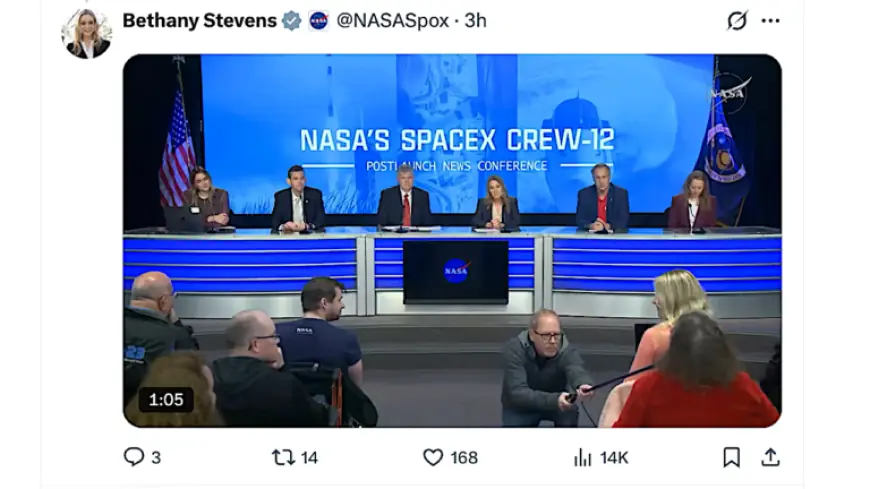
The recent incident involving NASA and the misinterpretation of internal communications has raised significant concerns. This situation, often referred to as the “Broken News” echo phenomenon, highlights the challenges of accurate reporting in the age of social media.
Navigating Misinformation: The “Broken News” Echo Phenomenon
On February 11, a memo from NASA’s Chief Financial Officer (CFO) was shared publicly. The memo contained information about internal procedures between NASA’s Science Mission Directorate (SMD) and the Office of Management and Budget (OMB). The original post was made without any indication that missions were in jeopardy.
However, hours later, an article published by Politico misrepresented the content of the memo. It omitted crucial context and failed to mention the original source, leading to considerable confusion. This distortion triggered a cascade of misinformation that spread rapidly across social media platforms.
The Reaction from NASA
By February 15, NASA’s Public Affairs Office (PAO) publicly addressed the issue during a press event. Bethany Stevens, NASA’s press secretary, referred to comments made by a senator, which were based on the distorted reporting rather than the original memo.
- The senator claimed the Trump administration was withholding NASA funds.
- He described the cuts as “devastating for NASA’s workforce and our leadership in science and space exploration.”
Such assertions were not included in the original post, which only aimed to relay internal communications. This illustrates how misinformation can take on a life of its own, distorting facts along the way.
Statements from NASA Officials
During the press event, a leader within NASA responded to the senator’s comments, stating that the initial report was inaccurately portrayed. He emphasized that the memo was a routine correspondence related to financial information gathering and confirmed that no missions were being canceled.
He also highlighted a significant lack of communication from NASA PAO. Despite various inquiries, no clarifications were provided, allowing the misinformation to proliferate unchecked. The PAO’s failure to engage with those who could clarify the situation only exacerbated the confusion.
Conclusion
This “Broken News” echo incident serves as a reminder of the intricate dynamics of reporting in the digital age. It underscores the importance of verifying information before disseminating it and the need for effective communication from institutions like NASA.
Moving forward, it will be crucial for media outlets and organizations to prioritize accuracy, ensuring that internal memos and communications are faithfully represented to prevent the spread of misinformation.