
























Study Advises Against Replacing Screenings with Smartwatch Blood Pressure Feature

Recent research from the University of Utah Health emphasizes the limitations of using smartwatches for blood pressure screening. The study, led by Professor Adam Bress, indicates that smartwatches may not provide accurate assessments for hypertension, often misleading users with false alerts.
Key Findings of the Study
Published in the Journal of the American Medical Association, this research highlights crucial insights:
- Smartwatches may generate false alerts in individuals without high blood pressure.
- The devices may miss critical alerts in those who actually do have high blood pressure.
High Blood Pressure: A Silent Killer
High blood pressure is often termed a “silent killer” due to its lack of obvious symptoms. It is a leading cause of heart disease. While smartwatches can promote health engagement, they cannot substitute for traditional blood pressure checks.
The Role of Smartwatches in Health Monitoring
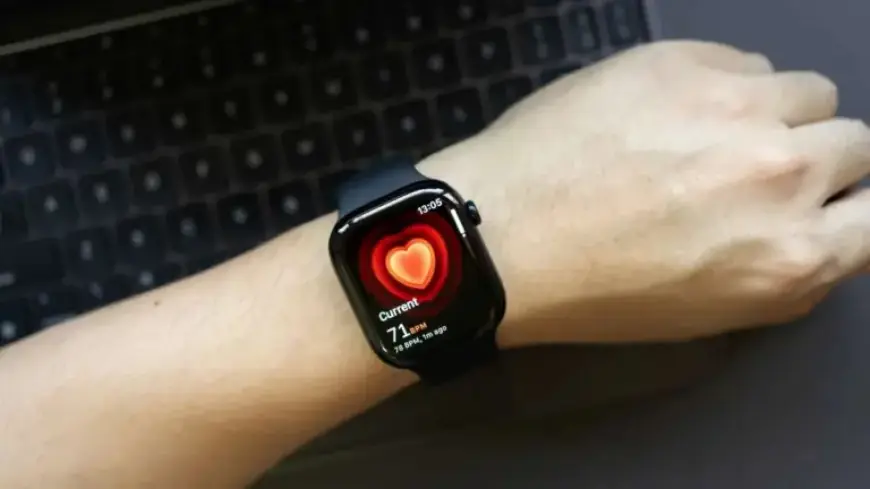
In September, the U.S. Food and Drug Administration approved the Apple Watch’s hypertension notification feature. This feature employs optical sensors to track blood flow. However, it is essential to note that the smartwatch is not designed to diagnose high blood pressure.
According to prior analyses, the feature does not effectively identify all cases of hypertension. It missed alerting about 59% of individuals with undiagnosed hypertension, while around 8% of those without hypertension received a false alert.
The Implications of Apple Watch Usage
With approximately 200 million Apple Watch users globally, including 30 million in the United States, the implications of these findings are significant. The study concluded that while smartwatch technology shows promise as a public health tool, relying solely on it for hypertension diagnoses could pose risks.
Understanding Alert Accuracy
The study findings reveal that alerts can correlate with actual blood pressure status:
- For adults under 30, receiving an alert raises the likelihood of hypertension from 14% to 47%.
- In individuals over 60, the likelihood increases from 45% to 81%.
Conversely, older adults who do not receive alerts have a lower chance, dropping to 34%. While alerts can provide some reassurance, their absence may not be as comforting for older individuals.
Recommendations for Blood Pressure Screening
The University of Utah Health advises regular blood pressure screenings, particularly:
- Adults under 40 should be screened every three to five years.
- Adults over 40 should have annual screenings.
Professor Bress urges individuals with Apple Watch hypertension alerts to follow up with a high-quality cuff measurement and consider additional assessments, such as home monitoring or ambulatory blood pressure checks.
Future Research Directions
Looking ahead, the research team plans to investigate demographic factors related to false alerts, both positive and negative. Ongoing studies will refine the understanding of smartwatch efficacy in blood pressure screening.
In summary, while smartwatches serve as an engaging entry point for health management, they should not replace standard blood pressure evaluations.