
























Sandra Hüller Portrays 17th-Century Woman Disguised as a Man

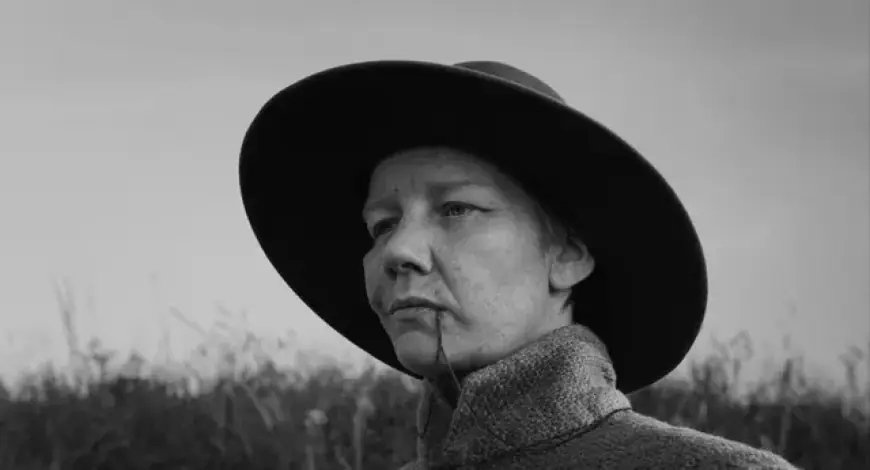
Sandra Hüller delivers a remarkable performance in the lead role of the film *Rose*, which explores themes of gender identity and societal expectations in the early 17th century. Directed by Markus Schleinzer, this poignant character study presents the story of a German woman who successfully disguises herself as a man to navigate the challenges of her time, including surviving the Thirty Years’ War.
Filming and Production
Shot in striking black and white, *Rose* combines visual artistry with a compelling narrative. The film’s storyline centers on a woman who takes on a male identity to gain respect, take ownership of an abandoned farm, and forge a new life against the backdrop of a conservative society.
Character and Plot Overview
According to the film’s opening narration, Rose’s tale is one of “a deceiver of land and folk,” presenting her journey as both a deception and a quest for self-actualization. Through her disguise, she gains acceptance within a village, even becoming a husband and father. As the narrative unfolds, Rose reveals a candid acknowledgment of the freedom that her male disguise provides, stating, “There’s more freedom in a pair of trousers.”
- Duration: 1 hour 33 minutes
- Director: Markus Schleinzer
- Screenwriters: Markus Schleinzer, Alexander Brom
- Premiere: Berlin Film Festival (Competition)
- Cast Highlights: Sandra Hüller, Caro Braun, Marisa Growaldt, Robert Gwisdek, Godehard Giese, Sven-Eric Bechtolf
Cultural Commentary
The film not only critiques historical gender norms but also emphasizes the daily struggles of women in a rigidly patriarchal society. As Rose skillfully navigates her life as a man, she highlights the limited options available to women during that era. The character’s evolution and the peculiar dynamics of her marriage to Suzanna, played by Caro Braun, introduce elements of humor alongside deeper societal reflections.
As the plot progresses, we witness the gradual development of mutual fondness between Rose and Suzanna, shedding light on the nuanced ways their relationship adapts to their unusual circumstances. The film’s exploration of themes such as autonomy and identity remains relevant today, echoing contemporary discussions about gender and acceptance.
Visual and Artistic Elements
*Rose* stands out due to its exquisite production design and authentic casting. Filmed across Germany’s Harz region and Austria, the film showcases beautifully crafted imagery that enhances its historical narrative. The seamless integration of seasoned actors and non-professionals adds to the film’s overall authenticity.
Hüller’s performance is both subdued and powerful, offering a master class in acting that avoids theatrics while conveying deep emotional truths. The film does not shy away from portraying harsh realities, yet it instills a sense of resilience within its central character, propelling not just her personal tale but also a broader commentary on the struggle for identity and acceptance.
Conclusion
Ultimately, *Rose* is a compelling narrative that challenges the viewer’s understanding of gender and self-determination. Hüller’s portrayal of a woman disguised as a man in the 17th century is not just a fictional story but resonates as a timeless reflection on the quest for freedom and authenticity. As audiences engage with this rich historical drama, they are invited to reflect on the complexities of identity that persist through the ages.