






















US-Iran Nuclear Talks Continue Amid Trump’s Aircraft Carrier Deployment to Mideast

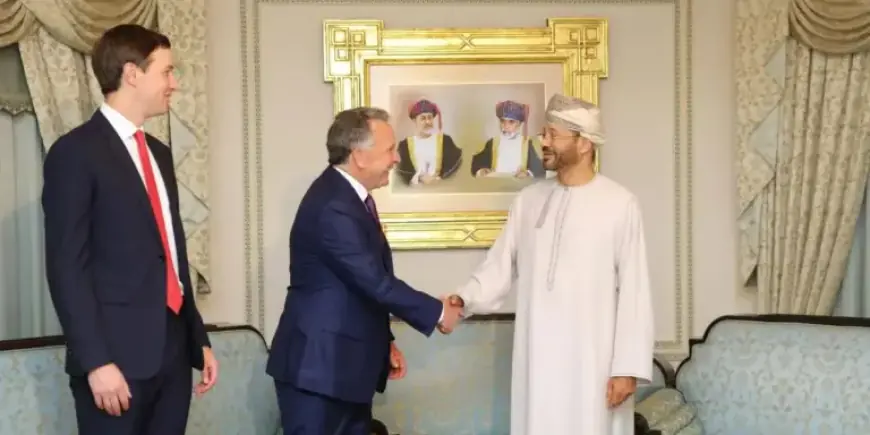
Recent developments indicate a renewed focus on the US-Iran nuclear talks amid heightened military tensions in the Middle East. The Swiss Foreign Ministry has announced that the second round of negotiations regarding Tehran’s nuclear program is scheduled for next week. These discussions will take place in Geneva, hosted by Oman, which facilitated the initial round on February 6. Specific dates for the upcoming talks have yet to be disclosed.
Context of the US-Iran Nuclear Talks
The ongoing negotiations occur in a tense environment. U.S. President Donald Trump has issued stern warnings to Iran, stating that failure to achieve a deal would result in severe consequences. Prior discussions aimed at curbing Iran’s nuclear pursuits have failed, notably during a 12-day conflict last June, which involved Israeli military actions and U.S. strikes on Iranian nuclear facilities.
Current Military Posture in the Mideast
Adding to the tension, Trump recently announced the deployment of the USS Gerald R. Ford, the largest aircraft carrier globally, from the Caribbean to the Mideast. This move is part of a broader strategy to increase military presence in the region.
- USS Gerald R. Ford deployment to Mideast.
- Increased U.S. military assets in the area.
- Warning of a potential regional conflict if tensions escalate.
Iranian leaders continue to assert that their nuclear program is intended for peaceful purposes. However, they have also made increasingly assertive statements about pursuing nuclear weapons, especially after enriching uranium to levels close to weapons-grade. Iranian officials maintain that they are open to verification measures concerning their nuclear stockpile, yet the International Atomic Energy Agency has faced challenges in carrying out inspections.
Key Players in the Negotiations
The indirect talks have included key figures such as Iranian Foreign Minister Abbas Araghchi and U.S. Middle East envoy Steve Witkoff. For the first time, a senior military commander from the U.S. attended the discussions, underscoring the military implications intertwined with diplomatic efforts.
Divided Goals
While Iran has expressed a desire to focus solely on its nuclear ambitions during talks, there are broader concerns from Israel. Prime Minister Benjamin Netanyahu has advocated for a more comprehensive agreement that addresses Iran’s ballistic missile program and its support for regional groups like Hamas and Hezbollah.
The outcome of these negotiations could significantly impact the geopolitical landscape. With both nations at a critical juncture, the necessity for a diplomatic resolution is clearer than ever. As the situation evolves, elements such as military deployments and international scrutiny will undoubtedly shape the discourse surrounding Iran’s nuclear program.