

























Japan’s Q4 Economic Recovery Challenges Takaichi’s Leadership

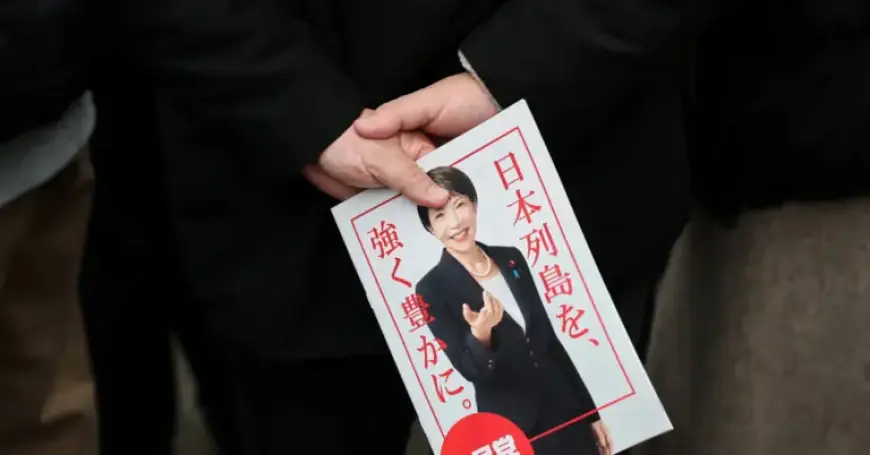
Japan’s economy showed minimal growth in the fourth quarter of 2023, falling significantly short of market expectations. This economic performance comes as a challenge for Prime Minister Sanae Takaichi, whose leadership is under scrutiny due to persistent cost-of-living issues affecting consumer confidence and spending.
Fourth Quarter Economic Overview
Data released indicated that Japan’s gross domestic product (GDP) increased at an annualized rate of just 0.2% from October to December 2023. This starkly contrasts with the market forecast of a 1.6% increase and suggests a slow recovery following a revised contraction of 2.6% in the previous quarter.
The quarterly growth figure of 0.1% further highlights sluggish economic activity, below the expected 0.4% uptick.
Challenges Ahead for Takaichi’s Administration
Analysts emphasize that the latest GDP figures highlight the challenges facing Takaichi’s government. Consumption, capital expenditure, and exports failed to meet projections, leading to concerns about the overall economic momentum.
- Private consumption rose by only 0.1%, down from a previous 0.4% increase.
- Capital spending saw a meager 0.2% rise, significantly below the 0.8% market estimate.
These trends raise questions about Takaichi’s campaign promises, including a potential suspension of the consumption tax, particularly on food. Such moves could be necessary to boost consumer spending amid ongoing economic pressures.
Market Reactions and Future Projections
The stock market responded negatively to the disappointing GDP news, while bond market activity remained subdued. Analysts remain cautious but project a gradual economic expansion in 2024.
Economic Growth Forecasts
A recent survey by the Japan Center for Economic Research indicated that 38 economists forecast an average annualized GDP growth of:
- 1.04% for the first quarter
- 1.12% for the second quarter
However, the trajectory of economic recovery appears dependent on whether real wages can recover positively, as emphasized by Shinichiro Kobayashi of Mitsubishi UFJ Research and Consulting.
Policy Tensions and Inflation Dynamics
Persistent inflation complicates the relationship between Japan’s government and the Bank of Japan. Takaichi’s government aims for economic revitalization, while the Bank of Japan is focused on containing inflation. This dynamic may lead to more challenges, particularly as the country navigates the complexities of its debt burden.
Tariff Impacts on Exports
Additionally, Japan’s manufacturing sector is grappling with the repercussions of U.S. tariffs, initially set high and now gradually easing. The effects of these tariffs may influence firms’ operational strategies moving forward.
The upcoming months will be critical for Takaichi’s administration as it aims to stimulate growth against a backdrop of slow economic recovery and rising living costs. Investors will closely monitor any potential fiscal measures the government may employ to spur demand.