

























Lucy Worsley’s “Jane Austen at Home” Part 3 Explores Austen’s Life

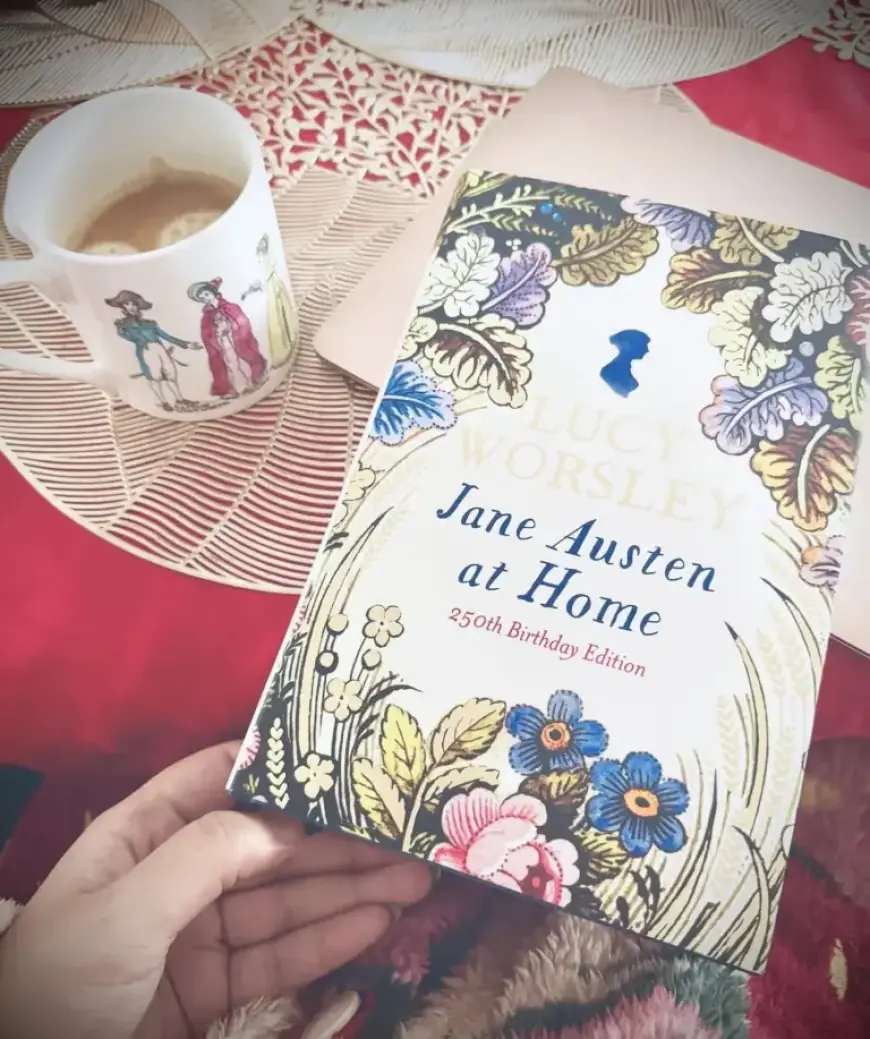
Lucy Worsley’s exploration of Jane Austen’s life continues to captivate readers, specifically covering chapters 19 through 26 of her book, “Jane Austen at Home.” This section unveils critical moments of Austen’s literary journey, particularly focusing on her favorite work, “Northanger Abbey,” initially titled “Susan.” The narrative examines the timeline of its creation, noting drafts from 1798 and 1799, alongside influences from literature published around 1801.
Significant Life Events
Worsley delves into the personal tragedies faced by Austen, particularly the death of her father, Mr. Austen. His passing, following the loss of the mother of one of Jane’s former suitors, profoundly impacted the family dynamic. The affection and respect Jane’s family had for him are palpable throughout the narrative. His gentle nature and dedication to his family marked him as a beloved patriarch during a time when such expressions were often overshadowed by more dominant male figures.
Transition to Southampton
The family’s eventual move from Bath to Southampton forms a critical backdrop to this period. Worsley paints a picture of Southampton’s historical context, portraying it as a city striving for recognition as a spa destination, akin to Brighton. However, its identity remained rooted in its port facilities. This transition mirrors the struggles of Austen’s characters, who often navigate societal expectations and personal aspirations.
Cultural Insights
- Jane Austen’s contemporary world influences her storytelling.
- Exploration of societal norms and family dynamics is a recurring theme.
- Austen’s introverted yet subversive nature sheds light on her role as a cultural commentator.
Life in Chawton Cottage
By Chapter 24, Worsley transports us to Chawton Cottage, where Austen’s writing flourished despite the cottage’s overcrowded environment. It was here that significant revisions took place, including on “Northanger Abbey” and the final draft of “Pride and Prejudice.” Austen’s modest living conditions added depth to her creative process and underscored her humble demeanor as a prominent literary figure.
Legacy of Jane Austen
In 1811, Jane Austen’s first published work, “Sense and Sensibility,” marked a turning point in her career, despite familial tensions surrounding prior publications. Worsley highlights how Austen ultimately overcame these challenges, establishing a legacy that has endured for over 200 years. While her brother Edward’s early sermons might have been overlooked, Austen’s novels remain celebrated and influential.
Critical Reception
The release of “Pride and Prejudice” received mixed reviews, with criticisms regarding its realism. Critics argued that its grounded approach might indicate a lack of creativity. Yet, the book’s enduring appeal disproves such claims. Worsley incorporates literary comparisons, particularly contrasting Austen’s work with that of Charlotte Brontë, signaling the complexity of themes explored in both women’s writing.
Overall, Worsley’s account of Jane Austen not only reveals the author’s life intricacies but also offers a comprehensive view of the cultural and societal influences that shaped her writing. This exploration allows readers to appreciate Austen as a complex figure who championed shared experiences, cementing her status in literary history.