

























Deanna Stellato-Dudek Aims to Rewrite Figure Skating’s Age Script at Milan Olympics

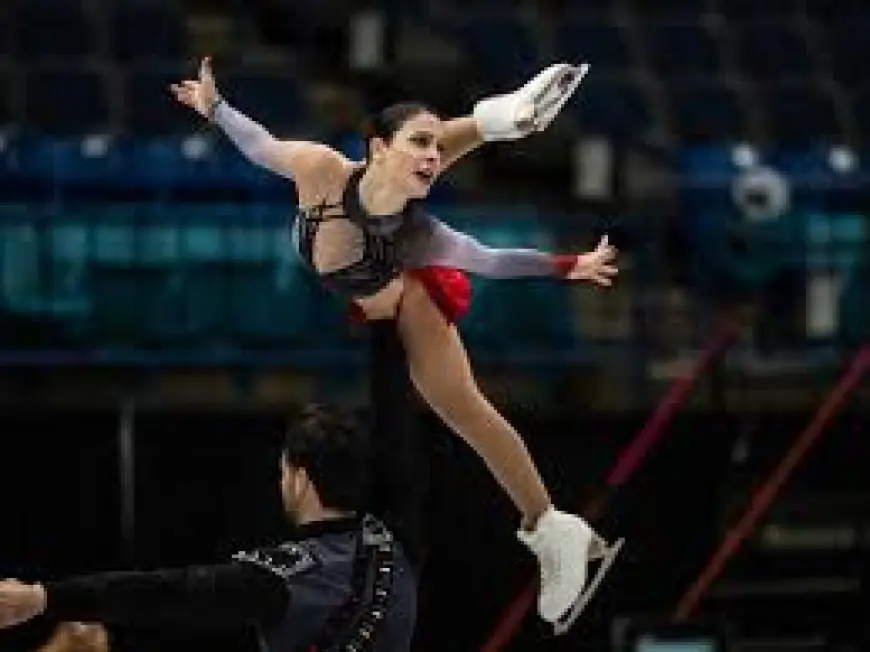
Deanna Stellato-Dudek, 42, will take the ice in Milan this Sunday (ET) with partner Maxime Deschamps, carrying the uncommon weight of a comeback that began more than a decade earlier. A training accident a week before the Olympics has added drama to an already extraordinary run: after a 16-year absence from competition and a stint outside the sport, she re-emerged as a world champion and a provocative symbol of longevity in a sport dominated by youth.
A comeback that defied expectations
Stellato-Dudek first laced up skates at age 5 and once aimed for the 2002 Winter Games. A hip injury at 17 appeared to end that trajectory. Rather than remaining in the sport as a coach or administrator, she stepped away entirely and built a career as the director of aesthetics for a plastic surgeon. When she returned to competition, she did so in pairs with Deschamps, and the results were immediate and historic.
She and Deschamps won the world title in 2024, making her the oldest woman to win a world championship in any figure skating discipline. The duo also claimed national titles in 2023, 2024 and 2025 and were silver medalists in the most recent national championship. Those achievements reframed what many had assumed about peak performance windows in the sport.
Her comeback prompted skepticism from many corners. Her coach, who stepped out of retirement to work with the pair, called the decision to return “crazy” at the time. Her mother echoed that sentiment, noting that few expected Stellato-Dudek to persevere and reach the heights she has. Stellato-Dudek answers her critics with a laugh and a simple line: “I mean, I am a whole legal human being older than almost everybody else. ”
Age, perception and a shifting sport
Figure skating has long been viewed as the domain of the very young: single skaters in their teens frequently dominate headlines, and landmark moments—like a 15-year-old winning Olympic gold—helped cement the image of youth as an advantage. That picture is changing slowly. Pairs specialists typically have longer careers than singles skaters, and a handful of women in pairs have medaled well into their 30s, but the presence of a 42-year-old world champion and Olympian is exceptional.
Stellato-Dudek’s rise invites a broader conversation about how the sport manages age, experience and expectations. Rule changes in recent years adjusted minimum ages for competition, and public attention on young athletes has prompted policy debate and scrutiny. For athletes like Stellato-Dudek, the conversation is personal: she wants to expand the narrative, showing that elite performance can coexist with a later stage of life, without diminishing the achievements of younger competitors.
Online commentary has sometimes turned mean-spirited, with trolls dubbing her “Grandma Deanna. ” She has taken the jabs in stride, and her visibility has already become a point of inspiration for skaters and fans who see a different pathway to elite sport.
The immediate test: recovery, rhythm and the Olympic stage
A training accident a week before the Games has raised fresh questions about readiness. Still, Stellato-Dudek’s preparation has been physically demanding: practices of multiple hours at their training complex outside Montreal and a regimen designed to preserve power, timing and partnership coordination. Observers note the hard-won combination of skill and composure that veteran athletes often bring in clutch moments.
Stellato-Dudek’s physical presence belies her age to casual observers—she is compact, intensely muscled and disciplined in her routines—attributes that have helped her adapt to the rigors of pairs work. Above all, her return reframes the headline story of Milan: it is not simply about whether she can medal, but whether her presence on this Olympic ice nudges the sport toward a broader understanding of who can belong at the top.
When Stellato-Dudek and Deschamps step onto the ice this Sunday (ET), they will carry both a medal bid and a larger narrative: that elite figure skating can include athletes at different life stages, and that perseverance can yield unexpected history even on the world’s biggest stage.