






















WR Parker Kingston no longer at BYU after rape charge

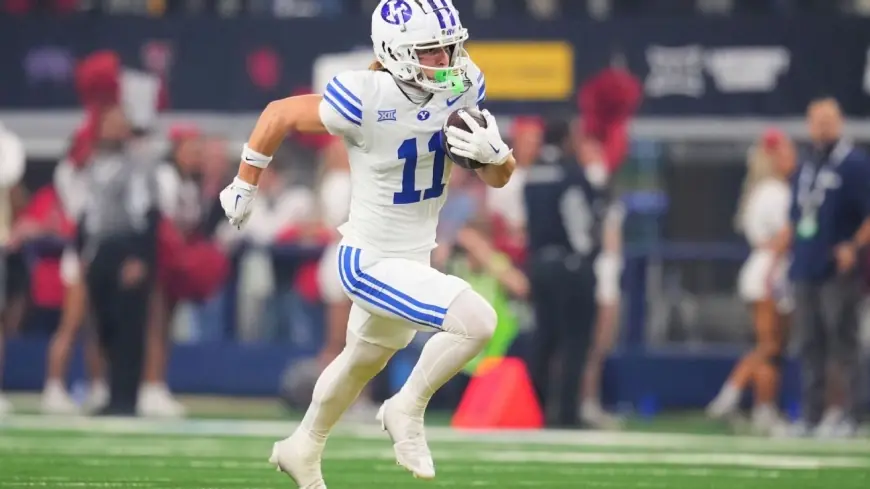
Brigham Young University confirmed that wide receiver Parker Kingston is no longer enrolled after his arrest this week on a first-degree felony rape charge. Kingston, 21, was taken into custody following a yearlong investigation and made his initial court appearance in St. George, Utah. Authorities say the alleged victim was 20 at the time of the incident in February of last year.
Arrest, charges and courtroom conditions
Prosecutors assert that investigators collected digital and forensic evidence and interviewed witnesses as part of a yearlong probe that culminated in Kingston's arrest. An affidavit unsealed in the case states that the woman told officers she repeatedly told Kingston she did not want to have sex and that she asked him to stop when he initiated sexual contact. Kingston has told police he believed the sexual activity was consensual.
At his first court appearance, Judge John Walton said he had found by clear and convincing evidence that Kingston was a danger to the community. Nevertheless, Kingston was released on a $100, 000 bond, with $10, 000 in cash posted immediately after he was initially held without bail. He appeared before the judge by remote video link from jail.
The court imposed several restrictive conditions as part of Kingston's release: no contact with the accuser or any potential witnesses, a ban on social media use, and a GPS ankle monitor to enforce a prohibition on returning to the southwestern Utah county where the alleged assault occurred, except for required court appearances. If convicted, Kingston faces a potential sentence ranging from five years to life in prison.
BYU status and honor code implications
University they and the coaching staff were only made aware of the investigation and the allegations after Kingston's arrest. The school said Kingston is no longer a student; administrators declined to specify whether he was dismissed, suspended, or left the institution voluntarily.
BYU maintains a strict honor code that bars sexual relations outside of marriage between a man and a woman, and violations can trigger disciplinary action that includes suspension. For student-athletes, honor code enforcement often carries significant athletic consequences, including extended periods sidelined from competition. The university's affiliation with the Church of Jesus Christ of Latter-day Saints informs the code and the expectations placed on its students.
Kingston was the team's leading receiver last season and had been a prominent figure in the program before his arrest. The university's statement on his enrollment status signals immediate ramifications for both his academic standing and athletic eligibility while the criminal case proceeds.
Next steps in the legal process
Kingston is expected to appear in court again on Feb. 25, 2026 (ET). His attorney, Cara Tangaro, agreed at the initial hearing to the release conditions but did not immediately respond to requests for comment after the hearing. Prosecutors will continue preparing for pretrial proceedings while the defense evaluates its options.
The case will move through the local court system in Washington County, where prosecutors will determine whether to seek additional charges or proceed to trial. Meanwhile, the restrictions set by the court are intended both to protect the alleged victim and to limit Kingston's ability to influence witnesses as the investigation and prosecution continue.
This matter remains an active criminal case. Further developments—court filings, motions, and any decisions by the university about Kingston's status—will shape the path forward for the athlete, the accuser, and the institutions involved.