

























2026 winter olympics alpine skiing schedule shaken after teenage skier injured in training

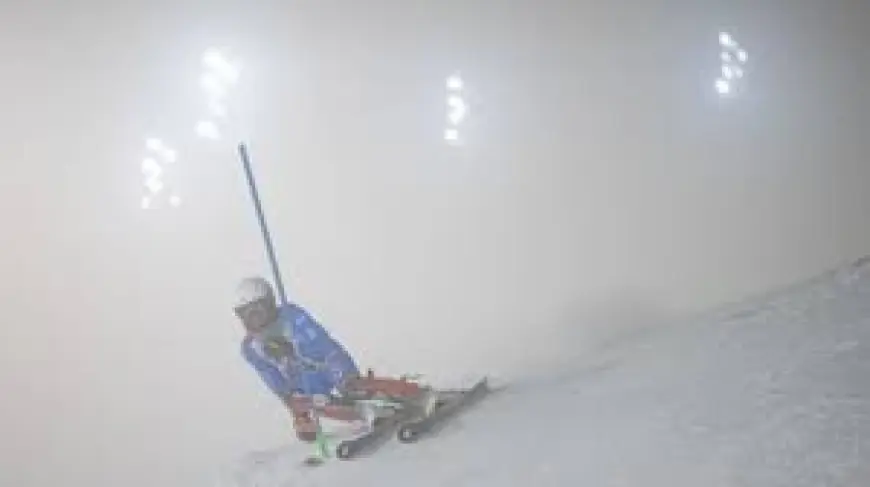
A training crash that left a 16-year-old Italian skier with a torn anterior cruciate ligament has added urgency to safety conversations as the 2026 Winter Olympics alpine skiing schedule moves toward its technical events. The athlete will miss the rest of the Games after sustaining the knee injury while preparing for the slalom, officials confirmed.
Incident sidelines young talent ahead of slalom
The teenager, who had been viewed as one of her nation’s most promising rising skiers, fell while straddling a gate during a practice session in Dobbiaco, roughly 20 miles from the main alpine venue in Cortina. Medical imaging revealed a sprain to the right knee with a tear of the anterior cruciate ligament, and she has been withdrawn from further competition.
Her exit comes after an earlier mishap in the Alpine team combined event, where she lost a ski and was unable to complete the run. The slalom she was preparing for was on the calendar for Wednesday (ET), part of a compact slate of technical races that are central to the 2026 winter olympics alpine skiing schedule and to nations counting on podium opportunities in slalom and giant slalom.
What the injury means for the schedule and athletes
Organizers have not announced changes to the event timetable, and current planning still lists the remaining downhill, super-G, giant slalom and slalom events as scheduled. Still, the incident highlights the narrow margin for error in the lead-up to competition: practice runs are often intense, with athletes pushing to find optimal lines and speed on courses that can be punishing when conditions are less than perfect.
Teams that expected the teenager to contend in slalom must now reshuffle lineups and expectations. For some federations, that will mean elevating alternates into primary roles and reworking tactics for head-to-head team formats and point-scoring at the Games. The loss of a rising competitor can also reshape how medal contenders and coaches plan their runs, since each field adjustment alters competitive dynamics on technically demanding courses.
Beyond immediate team strategies, national programs are watching for any pattern of practice injuries that might necessitate additional inspections or tweaks to course preparation. With weather, snow quality and course-set choices all influencing safety and performance, technical events on the 2026 winter olympics alpine skiing schedule will draw close scrutiny from athletes and support staff alike in the days ahead.
Safety review and the broader stakes
The athlete’s withdrawal renews debate about balancing full-speed training with injury prevention. Coaches and medical teams must weigh the benefits of high-intensity preparation against the risk of losing athletes before they reach the start gate. For younger competitors, the stakes are particularly high: a single training injury can derail not only Olympic hopes but also long-term development plans.
Event medical teams and national delegations will continue to monitor conditions and adapt warm-up protocols. Officials have protocols in place for on-site treatment and expedited imaging for suspected ligament damage, and teams rely on rapid assessment to determine whether an injured athlete can continue or must withdraw for treatment and recovery.
As the Games proceed, attention will remain fixed on the technical races of the alpine program and on how teams respond to sudden lineup changes. The coming days will test both the resilience of individual athletes and the flexibility of coaching staffs as they navigate a condensed and fiercely contested portion of the 2026 winter olympics alpine skiing schedule.