India vs Pakistan Clash Boosts T20 World Cup Hosts Sri Lanka

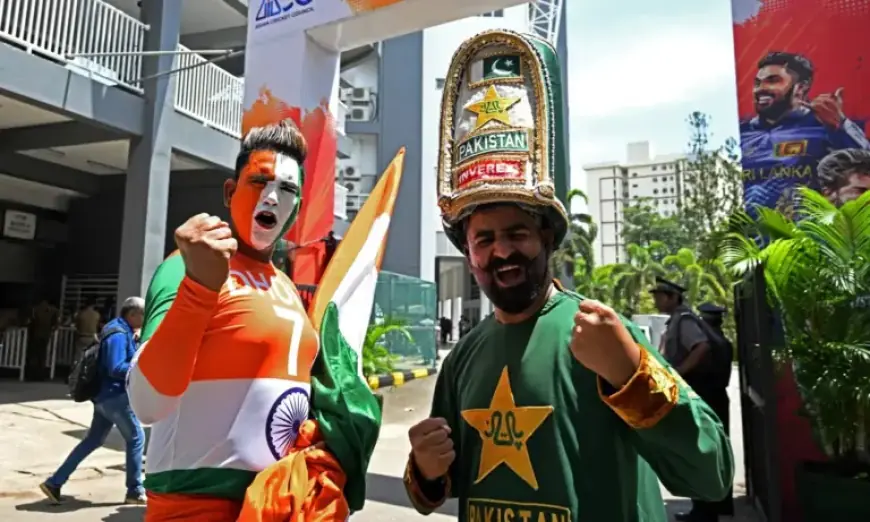
In a historic moment for cricket, the long-awaited India vs. Pakistan match will proceed during the ongoing T20 World Cup in Sri Lanka. Initially threatened by a potential boycott from the Pakistan team, the situation prompted intense negotiations. Ultimately, the Pakistani government reversed its decision, allowing the match to be played on Sunday at the R Premadasa International Cricket Stadium in Colombo.
Significance of the India vs. Pakistan Match
The clash between India and Pakistan is among the most anticipated events in cricket, attracting massive global attention. Such fixtures have the potential to affect economic landscapes significantly, especially for the host nation. Sri Lanka, still recovering from the severe financial crisis of 2022, stands to gain much from this high-profile match.
Economic Impact
Prior to the announcement of the boycott, hotels in Colombo were fully booked, with a surge in travel from Indian fans anticipated. After the boycott threat, many bookings were canceled, causing distress in the hospitality sector. However, following Pakistan’s decision to participate, hotel rates skyrocketed by 300-400% at five-star establishments.
- Advance bookings confirmed high demand.
- Boycott threat led to significant cancellations.
- Rate increases seen post-reversal of the boycott.
Local businesses, including street vendors and high-end restaurants, also look forward to increased patronage. This influx is expected not just for the match day but could lead to longer stays and future visits, benefiting the tourism sector long term.
Job Creation
The upcoming match is expected to create temporary job opportunities across various sectors, including media, event management, and transportation. Freelance journalists and commentators see this match as a significant opportunity in their careers.
Geopolitical Significance
The relationship between sport and politics is intricate in South Asia. The initial boycott was politically motivated, as emphasized by Pakistan’s Prime Minister Shehbaz Sharif, who expressed solidarity with Bangladesh after their removal from the tournament. In response, Sri Lankan President Anura Kumara Dissanayake urged Pakistan to reconsider, highlighting the diplomatic importance of successfully hosting the match.
Diplomatic Relations
Sri Lanka and Pakistan share a longstanding relationship, further strengthened by cricketing exchanges. Sri Lanka was notable for its early visits to Pakistan post-2009 when the Sri Lankan team faced a terrorist attack.
As excitement builds ahead of the match, organizers are preparing for what promises to be an electrifying atmosphere. As of Saturday morning, 28,000 tickets had been sold, and a full capacity crowd of 40,000 is expected at the stadium.
Conclusion
The India vs. Pakistan clash is set to generate significant economic and diplomatic benefits for Sri Lanka. As fans flock to Colombo, the match will not only revive local commerce but reinforce Sri Lanka’s position as a competent host for international events. This fixture serves as a reminder of cricket’s unifying potential in a region often marked by tension.