
























Europeans Claim Poison Dart Frog Toxin Killed Russian Opposition Leader Navalny

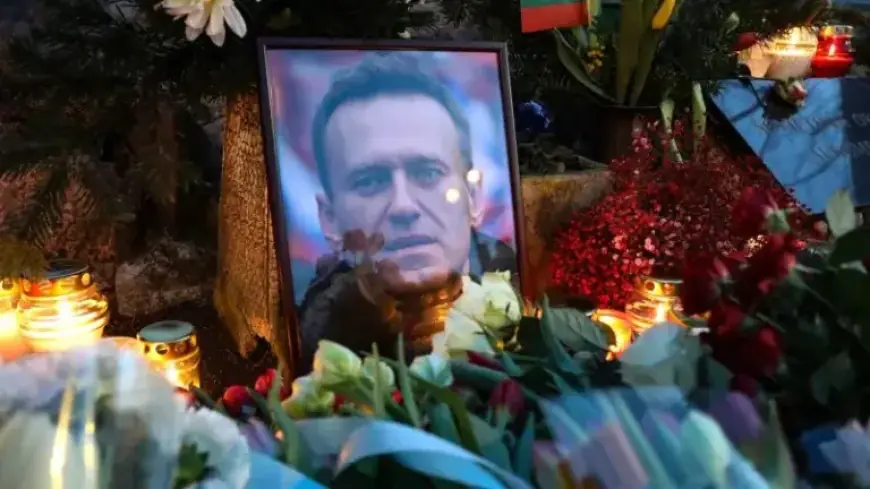
Alexey Navalny, a prominent Russian opposition leader, died two years ago in prison under mysterious circumstances. A recent investigation by five European countries revealed he was killed by a toxin derived from poison dart frogs, specifically epibatidine.
Investigation Findings
The findings were made public in a statement from the United Kingdom, Sweden, France, Germany, and the Netherlands. These countries confirmed that epibatidine was present in samples from Navalny’s body. Importantly, this toxin does not occur naturally in Russia.
- Toxin Identified: Epibatidine
- Source of Toxin: Poison dart frogs in South America
- Countries Involved: UK, Sweden, France, Germany, Netherlands
Allegations Against Russia
The joint statement from these countries accused Moscow of having the means, motive, and opportunity to administer the poison. They emphasized that the Russian state was likely responsible for Navalny’s death while he was incarcerated in an Arctic penal colony.
Despite repeated denials from Russian officials, the European nations expressed confidence that only the Russian government had the capability and the intent to carry out such an act.
Context of Navalny’s Imprisonment
Navalny had been imprisoned since 2021 after returning to Russia from Germany, where he had recovered from a previous poisoning incident involving Novichok, a Soviet-era nerve agent. His political activism made him a significant threat to the Kremlin. During a past interview, he openly acknowledged the risks of opposing the government but remained resolute in his fight for civil rights and against government corruption.
Response from Navalny’s Family
Yulia Navalnaya, Navalny’s wife, celebrated the findings as proof of foul play. In a social media post, she expressed her belief from the beginning that Navalny had been poisoned, stating that Russian President Vladimir Putin was responsible for her husband’s death. She thanked the European countries for their diligent investigation.
International Implications
British Foreign Secretary Yvette Cooper commented on the investigation, highlighting that Russia’s actions reflect its fear of political opposition. This incident has raised concerns regarding possible violations of the Chemical Weapons Convention. The five countries have formally contacted the Organisation for the Prohibition of Chemical Weapons in light of these findings.
As the investigation unfolds, the international community remains watchful. The implications of using such lethal toxins against political figures raise serious questions about human rights and governance in Russia.