

























Alexei Navalny Dies from Dart Frog Toxin Poisoning

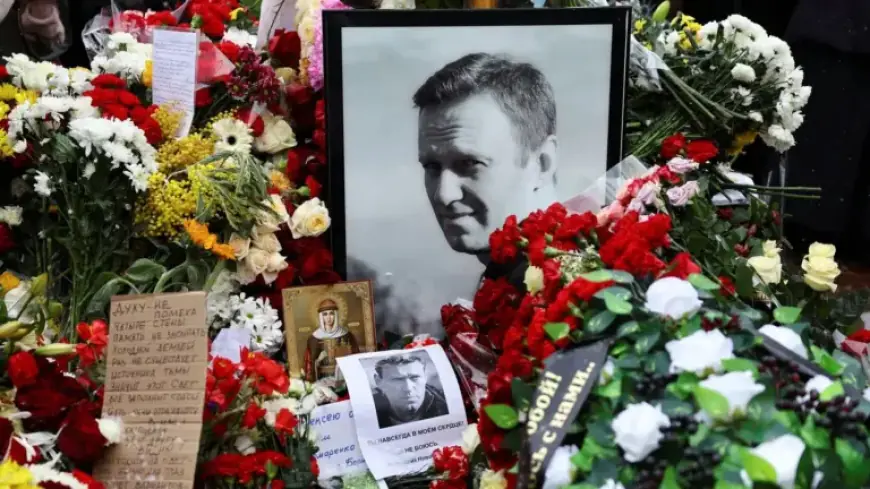
Alexei Navalny, the prominent Russian opposition leader, was reported dead due to poisoning with a potent toxin from Ecuadorian dart frogs, as confirmed by UK officials and allied nations. The 47-year-old dissident passed away in a Siberian penal colony nearly two years after his initial poisoning incident, which had drawn international condemnation.
Details of the Poisoning Incident
The toxin, known as epibatidine, is significantly more potent than morphine, reportedly 200 times stronger. The use of such a neurotoxin is classified as a chemical weapon, underscoring the gravity of the situation. Navalny’s widow, Yulia Navalnaya, publicly discussed the devastating news during a press conference in Munich, expressing her heartache. She stated, “It was the most horrible day of my life,” emphasizing the risk faced by those opposing Russian President Vladimir Putin.
International Response
- Yulia Navalnaya appeared alongside foreign ministers from the UK, Germany, Sweden, and the Netherlands.
- These nations are collaborating to investigate the circumstances surrounding Navalny’s death.
- Findings will be submitted to the Organisation for the Prohibition of Chemical Weapons (OPCW).
Ms. Navalnaya noted that the evidence indicated a clear scientific basis for her husband’s poisoning, countering Russian claims that his death resulted from “combined diseases.” In a release, UK Foreign Secretary Yvette Cooper highlighted that “only the Russian government had the means, motive, and opportunity” for this act, asserting that it reflects their contempt for dissenters.
Scientific Discoveries
British scientists played an essential role in identifying the toxin linked to the Ecuadorian dart frogs. Despite the complexities in acquiring samples from Navalny’s body, it is believed they were smuggled out of Russia for analysis.
Implications of the Findings
The implications following the announcement are significant. Officials from Germany and Sweden reiterated the need for accountability regarding Russia’s actions. German Foreign Minister Johann Wadephul described the results of the toxin’s effects, labeling it a “particularly strong” nerve poison that inflicts severe pain. In contrast, Sweden’s foreign minister emphasized the necessity of revealing the truth behind Navalny’s death to maintain pressure on the Kremlin.
Historical Context
Navalny was previously poisoned in 2020 using a Novichok nerve agent, a substance associated with past attacks linked to Russia. Following that incident, he recuperated in Germany before returning to Russia, where he faced arrest and imprisonment.
The Kremlin has yet to provide any public response regarding the latest allegations of Navalny’s poisoning. As investigations unfold, the international community continues to demand accountability for actions against those who oppose the Russian government.