
























Morrisey names James Paul to West Virginia Board of Education, presses case for overhaul

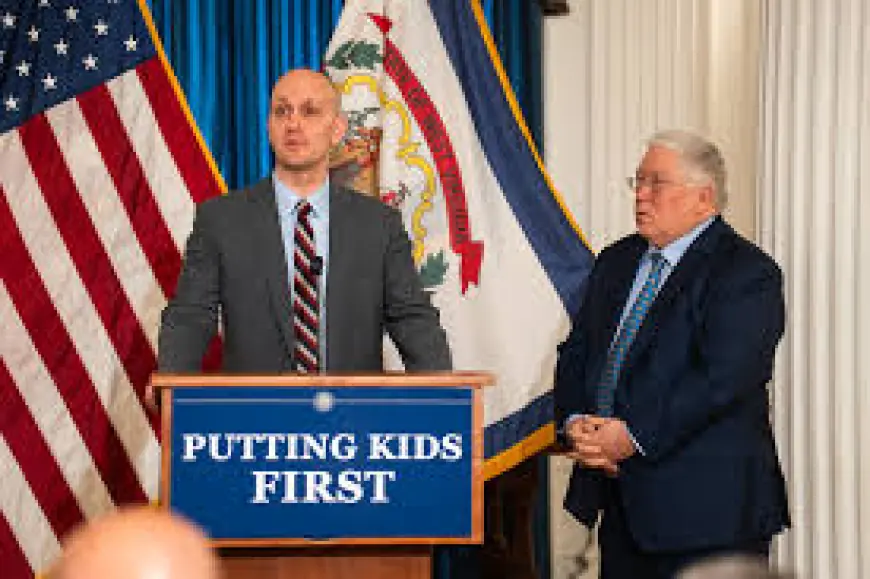
Gov. Patrick Morrisey on Wednesday announced his first appointment to the state Board of Education, tapping Dr. James Paul to fill a nine-year seat while sharply criticizing the board’s structure, oversight and spending. The pick signals the governor’s intent to shift the board’s voting patterns and pursue broader changes in how public education is governed in the state.
New appointee brings charter and policy experience
Dr. James Paul served for several years as executive director of the state Professional Charter Schools Board and most recently held the role of director of state education opportunity at a national policy institute. He holds a doctorate in education policy from the University of Arkansas and has been involved in launching the state's first public charter schools. Paul told the governor he accepts the appointment as a "big responsibility" and emphasized humility and respect for the democratic process.
Morrisey frames pick as a step toward accountability
Morrisey used the announcement to renew criticism of the current board, calling it "unelected and independent from the rest of government" with long nine-year terms that can blunt accountability. He pointed to state education outcomes and spending patterns to argue the system is structured poorly even as funding has increased in recent years. The governor said the board’s decisions often come down to unanimous votes and expressed hope that Paul's presence will produce more split decisions, quipping that he hopes to see "some more eight-one votes. "
Policy clashes underline tense relationship
The governor and the board have been at odds on several issues, most visibly the dispute over whether religious exemptions should apply to the state’s school vaccination law. That fight exposed deeper tensions over rulemaking authority, the board’s constitutional role and the boundary between legislative intent and board implementation. Paul framed the board’s duty as carrying out laws passed by the legislature through rulemaking while providing "general supervision over the public school system, " and said policymakers must set clear vision and then allow educators to do their work.
Political implications of a nine-year appointment
State board members serve staggered nine-year terms and are appointed by the governor with the advice and consent of the Senate. Paul will take the seat vacated by Debra Sullivan, a former high school principal. Morrisey called this the first of multiple appointments he expects to make, signaling a longer-term effort to reshape the board’s priorities and align rulemaking more closely with his administration’s view on accountability, parental choice and administrative reform.
What to watch next
Paul’s confirmation by the state Senate is required before he can assume the position. If confirmed, his background in charter school oversight and policy advocacy suggests the board could see renewed emphasis on school choice, regulatory rollbacks cited by the governor as "administrative bloat, " and closer scrutiny of county board finances. Observers will also track whether the board and the legislature reduce contention and pursue more collaborative rulemaking, as Paul said cooperation is essential to serving families well.
For now, the appointment deepens a high-profile clash over how West Virginia governs public education, with the governor pressing for structural changes and a new board member positioned to advocate for accountability, parental choice and streamlined administration.