























Crafting the Future: A Blueprint for Custom NFT Ecosystems

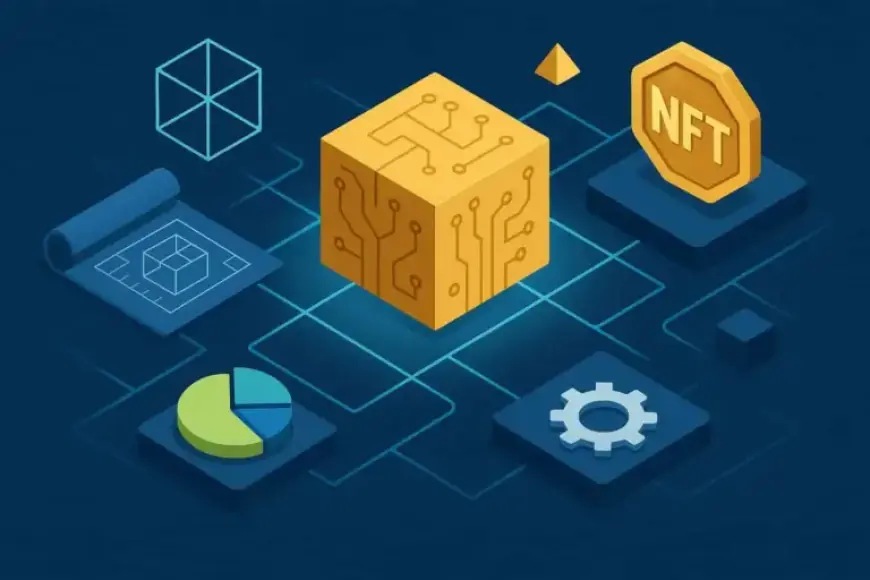
The landscape of non-fungible tokens (NFTs) is evolving, moving beyond the initial hype of 2021 toward more stable and practical applications. In 2025, the global NFT market reached approximately $38 billion, driven by sectors such as real estate, gaming, and luxury retail. Analysts predict the market will exceed $50 billion by the end of the year, focusing on utility rather than mere aesthetics.
Crafting the Future: A Blueprint for Custom NFT Ecosystems
To navigate this growing ecosystem, creating a tailored NFT experience is essential. Here’s a guide for those interested in custom NFT development.
Step 1: Define Purpose and Utility
Understand the purpose of your NFT. Will it provide access to exclusive content, represent ownership of an asset, or function as a game character? Determine the “why” behind your tokens to avoid a generic outcome. Incorporate logic directly into the NFT’s structure for a unique result.
Deep Customization Strategies
- Dynamic Metadata: NFTs can alter their appearance based on external conditions.
- Time-Locked Content: Features unlock after a set period.
- Access Control: Limit access to private events or products through the NFT.
Step 2: Choose the Right Blockchain
Selecting a suitable blockchain is crucial, akin to choosing the foundation of a building. While Ethereum is popular, it may not suit every use case. Here’s a comparison of several networks:
| Network | Best For | Customization Potential | Cost Level |
|---|---|---|---|
| Ethereum | High-value assets, Security | Very High | High Gas |
| Polygon | Gaming, Micro-transactions | High | Very Low |
| Solana | Speed, High-volume drops | Moderate | Ultra Low |
| Avalanche | Enterprise, Subnets | Very High | Moderate |
Understanding Standards
ERC-721 is the standard for unique tokens. For more versatility, consider ERC-1155, which allows management of both unique and semi-fungible items. ERC-6551 offers even more customization, as it assigns a wallet address to each NFT, enhancing ownership possibilities.
Step 3: Design the Smart Contract
The smart contract is the central logic of your NFT. Avoid standard templates; instead, create tailored logic for your specific needs. Key features to consider include:
- Minting Logic: Determine who can create tokens.
- Burning Mechanisms: Enabling users to merge NFTs for rarer items.
- Upgradeability: Use Proxy Contracts for future updates.
Step 4: Host and Manage Metadata
NFT images are not always stored directly on the blockchain. Typically, a link leads to the file. For longevity, utilize decentralized storage like IPFS or Arweave. Metadata should include key attributes and traits of your NFT.
Step 5: Develop a User-Friendly Minting Website
Ensure the user experience is seamless. The minting process should be clear and efficient. Important features include:
- Real-time Mint Counter
- Wallet Integration
- Rarity Gallery
- Interactive Elements
Step 6: Thorough Testing and Auditing
Testing is critical to avoid permanent mistakes. Essential steps include:
- Unit Tests
- Testnet Deployment
- Stress Testing
- Security Audit
Step 7: Launch and Evolve
The launch is just the beginning. Post-launch, manage your community and secondary market effectively. Important practices include:
- Community Governance: Allow holders to vote on future developments.
- Airdrops: Surprise rewards for holders.
- Physical Perks: Offer real-world incentives for NFT possession.
Creating custom NFTs requires innovative thinking, technical skills, and continuous engagement with your community. By focusing on utility and uniqueness, you can distinguish your project in this competitive market.