

























U.S. Government Explores High-Energy Lasers Deployment at Southern Border

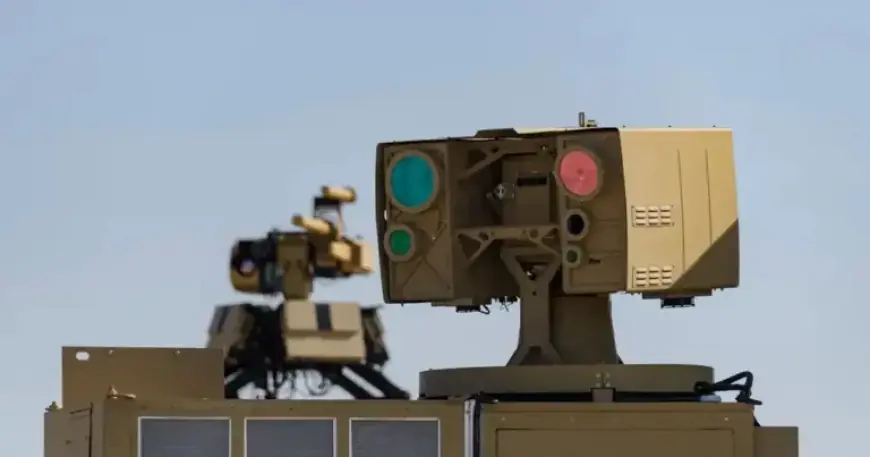
The U.S. government is exploring the deployment of high-energy lasers at the southern border to combat drone threats. Recent actions by Customs and Border Protection (CBP) involved using this technology, raising concerns within the Federal Aviation Administration (FAA) regarding safety protocols.
High-Energy Laser Use in Border Security
During a recent test, CBP operated a palletized high-energy laser system, which has previously been used overseas. Although the FAA expressed safety concerns, the system was employed to neutralize perceived aerial threats, particularly drones allegedly operated by drug cartels.
How High-Energy Lasers Function
This laser system works by detecting an aerial target, delivering an intense beam that can disable or damage drones. According to Tom Karako, a senior fellow at the Center for International and Strategic Studies, the laser’s speed and precision make it effective.
- Instantaneous targeting capability.
- Effective against various aerial threats.
- New developments amidst ongoing drone concerns.
Recent Incidents and Cartel Activity
After a brief flight ban in El Paso, Transportation Secretary Sean Duffy announced that the drone threat was neutralized. However, it was later revealed that some targets included innocuous objects such as party balloons.
Drones have become a persistent issue at the U.S. southern border, often utilized by cartels for surveillance and criminal activities. Austin Doctor from the University of Nebraska noted that while these drones are not weaponized within the U.S., they pose increasing risks given their use in Mexico against rival cartels.
Joint Task Force on Drone Threats
In response to drone activity, the Pentagon has established a joint task force aimed at coordinating efforts among federal agencies to address this threat effectively. This initiative is part of a broader strategy to protect critical infrastructure and maintain air safety.
Strategic Recommendations
Retired Air Force General Glen VanHerck emphasized the necessity of enhancing policies to defend critical infrastructure while ensuring public safety. He advocated for a multi-layered defense system, which could include high-energy lasers as one of many solutions.
- Implement radio frequency techniques to neutralize drones.
- Incorporate various defensive systems tailored to specific threats.
- Promote communication between FAA and Department of Defense for comprehensive airspace management.
Conclusion
The exploration of high-energy lasers for border security underscores a critical shift in the U.S. government’s approach to aerial threats. As agencies work together to refine their strategies, ensuring safety and effectiveness will be paramount in the fight against drone misuse.