Ukraine’s Heraskevych’s Bid for Winter Olympic Reinstatement Rejected

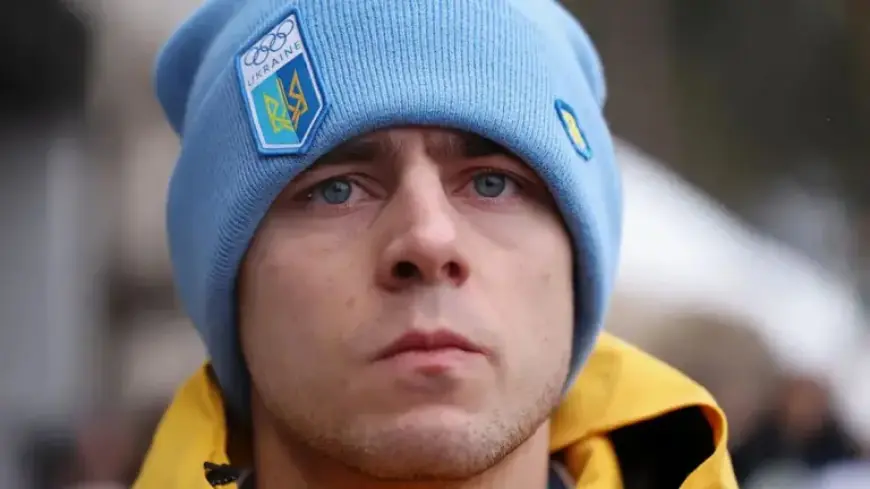
Ukraine’s skeleton athlete, Vladyslav Heraskevych, faced disappointment as his appeal for reinstatement in the Milano Cortina Olympics was rejected. The Court of Arbitration for Sport (CAS) dismissed his case, citing a breach of Olympic rules regarding political neutrality.
Background on the Disqualification
Heraskevych, 27, was disqualified after a ruling from the International Bobsleigh and Skeleton Federation. The decision stemmed from imagery on his helmet that honored athletes who have died since Russia’s invasion of Ukraine in February 2022. This imagery was deemed a violation of the Olympic principle of political neutrality.
Court Decision and Reactions
During an eight-hour hearing, CAS Secretary-General Matthieu Reeb stated that while freedom of expression is upheld at the Games, it does not extend to the competitive arena. The CAS found that the limitations imposed were reasonable, as they balanced athletes’ right to express themselves with the need for undivided focus on sporting performance.
Potential Next Steps
In the wake of the rejection, Heraskevych expressed his disappointment. He stated, “CAS has failed us. We will consider our next steps,” indicating he may explore further legal options.
Attempts at Compromise
Prior to the CAS ruling, the International Olympic Committee (IOC) President, Kirsty Coventry, met with Heraskevych in a bid to reach a compromise. The IOC proposed that he wear a black armband instead and display the helmet outside of competition time. However, the usage of the helmet during the race was still considered a breach of IOC political neutrality guidelines.
Support from the Ukrainian Community
Heraskevych’s Olympic Committee has backed him during this challenging time. He has also garnered support from Ukrainian President Volodymyr Zelenskiy, emphasizing the broader implications of his situation. Notably, Heraskevych had previously showcased a “No War in Ukraine” sign at the Beijing 2022 Olympics just days before the invasion.
Conclusion
The situation highlights the ongoing conflict between athletes’ rights to express significant political messages and the established norms of sporting institutions. As Heraskevych considers his options, the eyes of the international community remain on the evolving dynamics at the Milano Cortina Olympics.