




















College baseball opens 2026 with Puerto Rico first pitch and ranked showdowns ahead

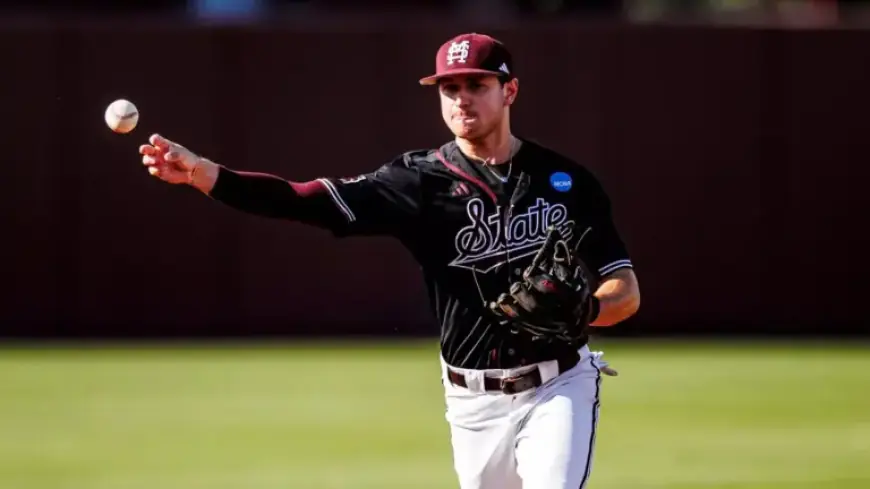
The 2026 college baseball season got underway Friday, Feb. 13 (ET), with the first official pitch thrown in Puerto Rico and an early defensive clinic that put a ranked team on upset watch. A busy opening weekend now rolls across the mainland with headline series and new-era storylines shaping the road to Omaha.
Puerto Rico opener sets the 2026 season in motion
Houston and No. 21 Wake Forest launched the national slate at the Puerto Rico Challenge, where Cougars right-hander Paul Schmitz delivered the first strike of the new year. Houston backed it up with crisp fielding, turning a rundown and a double play to keep a shutout intact through four innings and flirt with the first ranked stunner of 2026.
The island showcase features eight programs kicking off their campaigns in warm conditions and a neutral-site atmosphere that can magnify early-season execution. With game reps limited to scrimmages before Friday, the opener’s tempo — highlighted by opportunistic defense and strike throwing — offered a quick reminder that small margins matter most this time of year.
Marquee ranked clashes highlight the slate
Among the weekend’s headline matchups, No. 12 Oregon State meets No. 24 Arizona in Surprise, Arizona, a rare February collision of last season’s Men’s College World Series participants. It stands as the only regular-season meeting between two of the 2025 Omaha field, adding stakes to an already revealing early résumé test.
Elsewhere in the event, traditional powers Michigan and Stanford share the stage, while Puerto Rico’s lineup brings additional intrigue with No. 17 NC State joining No. 21 Wake Forest. The spread of ranked programs across multiple venues ensures a steady flow of benchmark results by Sunday evening.
Early-season storylines to track
Opening weekend is the first look at retooled rotations and lineup combinations after an offseason defined by departures, arrivals and development leaps. Coaches typically lean on established strike-throwers to stabilize the first turn through the rotation, but bullpen depth and infield defense often decide these February games. With five months to go before championship brackets take shape, the first 72 hours still matter — especially for clubs seeking top-25 traction and RPI-friendly wins away from home.
Watch for how veteran cores handle neutral environments, how first-year regulars manage the moment, and which teams show carry-over power versus those manufacturing runs through baserunning and situational hitting. A couple of clean, low-scoring wins this weekend can say as much about a team’s ceiling as a lopsided rout.
Coaches weigh in on revenue sharing, portal and stability
As the games begin, the sport’s evolving framework remains a throughline. Miami head coach JD Arteaga noted that enhanced support and new resources have changed recruiting dynamics for the better, helping offset tuition pressures and broadening the pool of prospects the program can seriously pursue.
Ole Miss head coach Mike Bianco emphasized the need for stability after several years of shifting rules that have upended roster planning. He pointed to the challenge of building systematic recruiting and development pipelines when timelines and windows keep changing, expressing hope that the sport is nearing a steadier phase that lets staffs map multi-year plans with confidence.
Cincinnati head coach Jordan Bischel highlighted the promise of revenue sharing for a sport that has long seen its best players undercompensated relative to their impact. He underscored the importance of clear reporting and consistent execution so benefits reach student-athletes as intended while programs maintain transparent standards.
Taken together, those viewpoints frame 2026 as a season of both opportunity and adjustment. The on-field product may be the best advertisement for the sport’s momentum, but how teams navigate roster management and resources will be a parallel battleground.
What fans should know for opening weekend
Expect quick hooks for starting pitchers if pitch counts climb, liberal pinch-running in tight late innings, and defensive replacements in the seventh or eighth as coaches prioritize reps and health. With many clubs away from home, neutral and road tests will carry weight in seeding calculus later in the spring.
Most importantly, the urgency is real from pitch one. Whether it’s a top-25 clash in the desert or an early test in the Caribbean, clean baseball travels — and the teams that defend, throw strikes and take the extra 90 feet tend to separate fast. If the first game in Puerto Rico is any indication, 2026 is wasting no time delivering high-leverage moments.