























New ‘Wuthering Heights’ Film Splits Critics: Fever-Dream Romance or Overstuffed Storm?

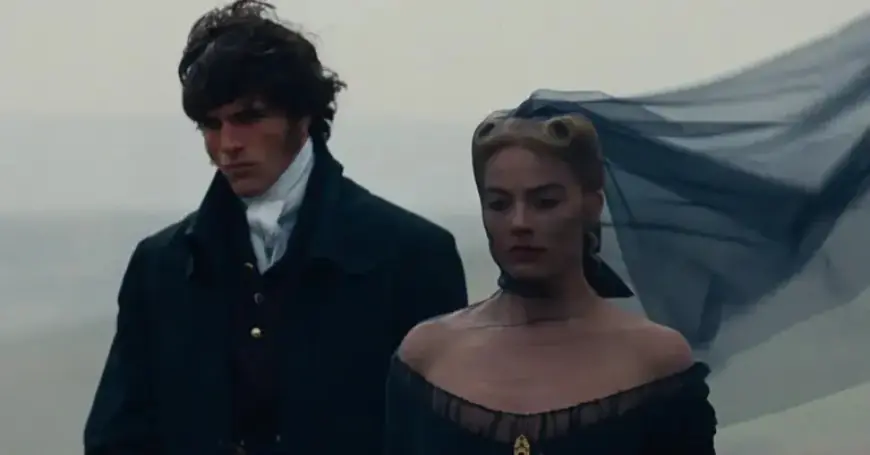
Emerald Fennell’s new adaptation of Emily Brontë’s classic has arrived to a hail of sharply divergent reactions, with some critics surrendering to its tempestuous sensuality and others dismissing it as a flashy misread of the novel’s bleak ferocity. With Margot Robbie as Catherine and Jacob Elordi as Heathcliff, the film’s torrential style has become the week’s most polarizing talking point in prestige cinema.
A tempestuous new take on a classic
The film leans into storm-soaked maximalism: pounding rain, heightened color, and feverish tableaux of longing and cruelty. It concentrates on the story’s first volume, where the combustible bond between Catherine and Heathcliff is forged and fractured. Fennell’s approach is literal and lurid by design, interlacing surreal images with deliberate anachronisms to blur eras and invite a modern reading of Brontë’s 1847 text.
Rather than brood in the margins, the film broadcasts its ideas in capital letters. The moors are windswept and operatic, the manor is a crumbling shrine to desire and decay, and the camera pursues the lovers at a full gallop. Where earlier adaptations might veil emotion, this one puts it under klieg lights, daring audiences to either be swept away or recoil.
A split decision from critics
Early responses reveal a dramatic divide. A five-star rave from an Australian reviewer declared, “I inhaled Wuthering Heights with my groin,” a provocation that captures the movie’s libidinal pitch and unapologetic swagger. In stark contrast, a prominent British critic slapped the film with two stars, calling it “quasi-erotic, pseudo-romantic and then ersatz-sad, a club night of mock emotion.” A U.S. review dismissed it as “as shallow as a puddle glittering in the sun.”
Amid the extremes, other assessments focused on craft over shock. One stateside critic derided the production as floridly overstuffed, with ideas that never quite cohere and a central couple whose chemistry feels imposed rather than inevitable. Together, the notices paint a picture of a movie that will either intoxicate or exasperate—rarely anything in between.
Bold style choices and narrative shifts
The opening sequence sets the tone: children watch a public hanging that stirs prurient excitement in onlookers, a blunt signal of the film’s obsession with the eros–thanatos knot binding the story’s doomstruck passions. From there, the narrative streamlines its focus onto Catherine and Heathcliff, marginalizing other perspectives—most notably Nelly’s—so the central conspiracy of two can burn hotter and brighter.
Production design and costumes do heavy lifting, telegraphing themes of class, carnality, and entrapment. The house itself becomes a character—part crypt, part carnival—while the moors offer both freedom and annihilation. The cumulative effect is intoxicating, even when the symbolism grows emphatic. For some viewers, that emphasis reads as bravura; for others, it’s a sledgehammer.
Performances that ignite — or fizzle
Robbie’s Catherine is dewy and mercurial, chasing ecstasy one moment and bristling at confinement the next. Elordi’s Heathcliff is presented as a lavishly hirsute, prowling presence, a storm cloud with a pulse. Admirers find the pair dangerously magnetic; detractors argue they feel unconvincingly matched, their yearning painted in broad strokes that trade texture for spectacle.
The film’s insistence on sensual immediacy—bodies in motion, glances like flares—may fuel the strongest reactions to the performances. Where some see raw physicality as the honest grammar of this romance, others perceive empty provocation, a gloss that chases heat at the expense of hurt.
What it means for Brontë on screen
For more than a century, filmmakers have reshaped Brontë’s novel across genres and eras, yet the story’s feral heart resists neat containment. This version underlines that challenge. By amplifying sex, violence, and spectacle, it wrestles with a text that is itself unruly—but the wrestling match is divisive. Admirers praise a work that drags the classic into a beating present; skeptics see a film that confuses intensity with depth.
If nothing else, the uproar speaks to the material’s undimmed power. Every generation tests the limits of adaptation, and every generation discovers how hard it is to capture love that feels like a haunting. Whether embraced as a heady fever dream or dismissed as a puddle with pretty reflections, this latest iteration ensures that wuthering heights remains a live wire in the cultural imagination—dangerous, seductive, and impossible to domesticate.