

























“Why Roses Dominate Valentine’s Day: Exploring Alternative Flowers for February 14”

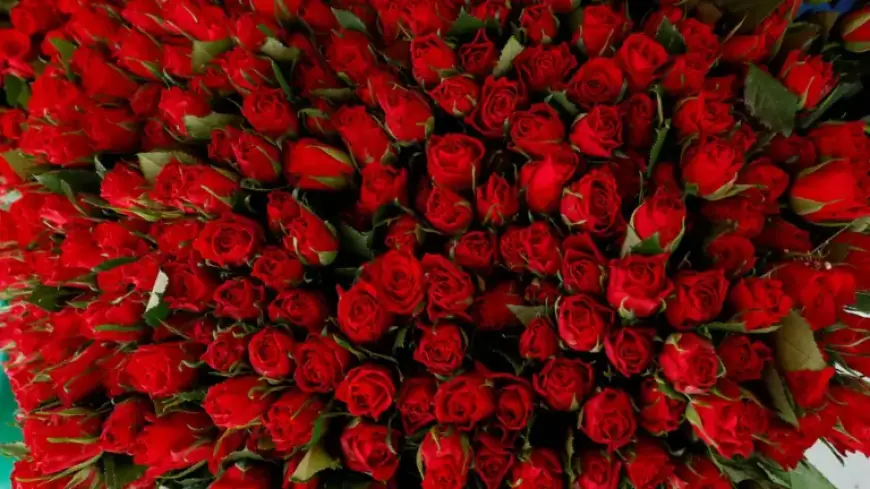
As Valentine’s Day approaches, florists prepare for one of their busiest seasons. Traditionally, red roses dominate as the flower of choice for expressing love. This affection for roses dates back centuries, with origins rooted in mythology and societal customs.
Origins of the Red Rose Tradition
The link between romance and red roses is believed to have ancient mythological roots. In Greek mythology, the goddess of love, Aphrodite, is said to have created the first red rose from her tears as she mourned her lover, Adonis.
An alternative story traces the practice of gifting roses to the 18th century. Lady Mary Wortley Montagu, an English woman married to a British ambassador in Turkey, documented the local custom of sending flowers with specific meanings. Her letters back to Britain inspired high society to embrace this floral tradition.
This custom became widespread in Britain by the early 19th century. The visual appeal and scent of roses contributed to their popularity. Dr. Sara Cleto, co-founder of the Carterhaugh School of Folklore and the Fantastic, notes that roses are not only beautiful but also hardy, which allows them to travel long distances effectively.
Challenges with Red Roses
Despite their popularity, red roses are not in season during February in the northern hemisphere. This seasonal mismatch means that many roses are imported, increasing their carbon footprint significantly.
Olivia Wilson, co-founder of SSAW Collective, highlights the stark difference between traditional rose bouquets and the natural blooms available in February. She emphasizes the environmental impact of sourcing non-seasonal flowers.
Seasonal Alternatives to Roses
Rather than purchasing imported roses, consider these seasonal alternatives for Valentine’s Day:
- Camellia
- Hellebore
- Hyacinths
- Ranunculus
- Anemone coronaria
- Tulips
- Narcissus
- Early blossom Magnolia
- Snowdrops
These flowers offer beauty and uniqueness while being more environmentally friendly during the Valentine’s season. Embracing these alternatives not only diversifies floral gifting but also supports sustainable practices.
Conclusion
While roses will always hold a special place in Valentine’s Day celebrations, exploring alternative flowers can enhance the romantic gesture. By choosing seasonal blooms, you can celebrate love while being mindful of the environment.