
























Judge Halts Trump’s Plan to Slash Health Grants for Democrat-Led States

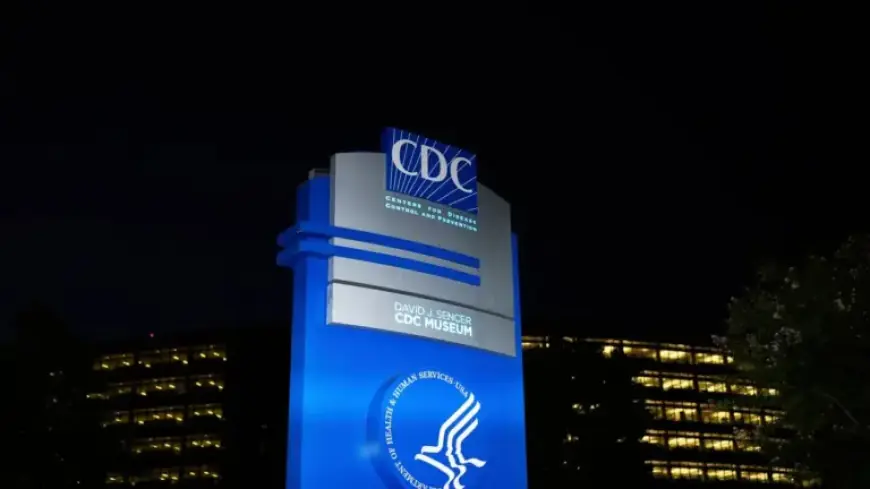
In a notable ruling, a federal judge in Illinois has temporarily blocked the Trump administration’s intention to cut $600 million in public health grants to four states led by Democrats. The states involved—California, Colorado, Illinois, and Minnesota—filed a lawsuit to prevent the funding cuts aimed at crucial health initiatives.
Federal Court Ruling on Health Grants
U.S. District Judge Manish Shah issued a 14-day stay on the proposed cuts, stating that the states demonstrated potential irreparable harm if the funding was rescinded. This decision ensures continued financial support from the Centers for Disease Control and Prevention (CDC) to local health departments and their partners during the ongoing legal challenge.
The first round of grants faced termination immediately, according to Colorado Attorney General Phil Weiser. The Department of Health and Human Services justified the cuts by claiming they no longer align with the updated CDC priorities, which shifted away from promoting health equity. This adjustment could significantly impact cities’ abilities to combat the spread of HIV and other sexually transmitted infections among vulnerable populations.
Implications of the Funding Cuts
- The states argue that the funding cuts are politically motivated.
- Democratic-aligned states view these actions as retaliation against their opposition to the Trump administration’s immigration policies.
- Illinois Attorney General Kwame Raoul highlighted the risks to public health funding, emphasizing the more than $100 million at stake for his state.
- Funding loss could lead to significant layoffs within public health departments.
Minnesota Attorney General Keith Ellison indicated plans to seek an extension of the judge’s temporary halt until the lawsuit’s conclusion. The lawsuit challenges the legality of using restrictive conditions on pre-approved funds, claiming such actions violate the Constitution.
This case underscores a broader trend, as several states have been subject to cuts from federal programs, touching on various areas like food assistance and child care subsidies. Similar legal challenges previously succeeded in blocking the administration’s attempts to eliminate critical support for low-income families across multiple states, including those involved in this most recent case.
As the legal proceedings unfold, the attention remains on how these funding decisions will affect public health resources and support for diverse communities in states facing unprecedented political challenges.