

























Madison Chock and Evan Bates Settle for Silver as Fournier Beaudry and Cizeron Win Olympic Ice Dancing Gold in 2026

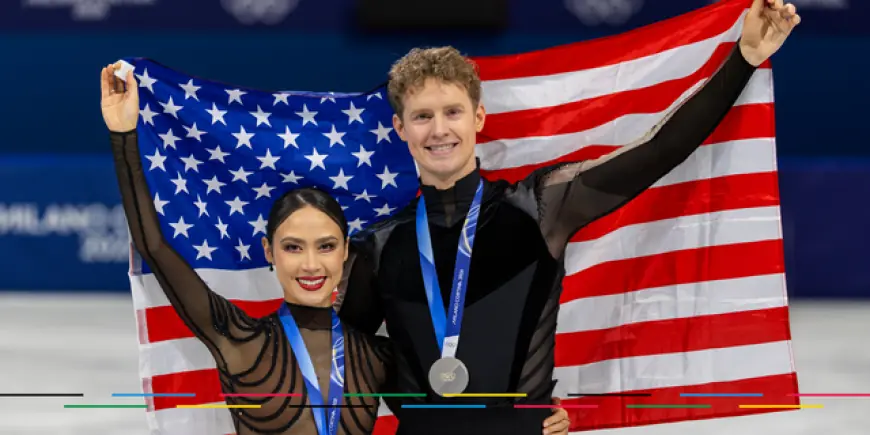
Madison Chock and Evan Bates arrived at the 2026 Winter Olympics as the sport’s most reliable front-runners, but the Olympic ice dancing title slipped away by the narrowest of margins. On Wednesday, February 11, 2026 ET, France’s Laurence Fournier Beaudry and Guillaume Cizeron won gold with 225.82 points, edging the American pair’s 224.39. Canada’s Piper Gilles and Paul Poirier took bronze at 217.74.
The result instantly became one of the Games’ defining figure skating moments because it combined a razor-thin scoring gap, a high-profile rivalry built over the season, and an off-ice backdrop that has followed the French team into Milan.
Ice dancing Olympics 2026 results: what the scores say
The final standings were decided across two segments: the rhythm dance and the free dance. After the rhythm dance on Monday, February 9, 2026 ET, the top contenders were separated by fractions, setting up a winner-take-all free dance.
In the free dance on February 11 ET, Chock and Bates delivered a high-energy program that had them briefly on top in the arena. Moments later, Fournier Beaudry and Cizeron answered with a more lyrical, atmosphere-heavy performance that ultimately held the lead once the totals were combined.
On paper, the margin looks tiny. In practice, it reflects how ice dance medals are often determined: small differences in levels, a couple of key grades of execution, and program component marks that reward overall composition, connection, and cleanliness.
Chock and Bates: star power, momentum, and the pressure of being the favorite
Chock and Bates were skating into a rare kind of Olympic spotlight for ice dancers: favorite status paired with mainstream visibility. They also carried a unique storyline into these Games as a married couple and as veterans who have spent years chasing an individual Olympic gold.
That status cuts both ways. It brings confidence and big-event experience, but it also raises the cost of any minor imperfection, because judges and rivals expect you to deliver not just great skating but an undeniable moment. When the top teams are clustered, “undeniable” matters.
Their silver still lands as a major career milestone, and it adds to a medal resume that already includes Olympic team success. But in the emotional economy of Olympic week, silver can feel like unfinished business when gold was within reach.
Fournier Beaudry and Cizeron: a new partnership that peaked at exactly the right time
The French winners were the season’s most debated variable. Guillaume Cizeron returned to Olympic ice dancing with a different partner after already reaching the top of the sport, and Laurence Fournier Beaudry entered the Games after a turbulent period that included a high-profile split from her previous partnership.
Their pairing also became a citizenship and eligibility story, with France committing to a fast, high-stakes competitive timeline: build chemistry quickly, win quickly, and accept scrutiny as the price of ambition. That gamble paid off in the one moment where it matters most: the Olympic final.
The win is historically significant because it underscores how rare it is for an ice dancer to reach Olympic gold-level dominance across different partnerships. It also reinforces a truth about ice dance: when a team creates a distinct aesthetic identity that matches the judging criteria, it can close the gap against even the most established rivals.
The French ice dancers controversy: why the conversation didn’t stay on the ice
This Olympic ice dance final didn’t exist in a vacuum. In the months leading into Milan, public discussion around the French camp broadened beyond skating to include allegations and claims tied to prior partnerships and personal relationships. Some elements remain disputed and not confirmed to a standard that ends debate, while other pieces are public record and have already shaped how fans interpret the result.
That matters because ice dance is judged, not timed. Even when judging is professional and rule-bound, perception becomes a second arena. If a segment is close, the losing side and its supporters often look for explanations beyond turns and edges. When an off-ice narrative is already active, it becomes a ready-made lens for disappointment.
The federation incentive is clear: protect competitive advantage and keep focus on performance. The athlete incentive is equally clear: separate present results from past turmoil. The sport’s incentive is the hardest: defend legitimacy when a headline-ready controversy collides with a headline-ready scoring margin.
The missing pieces: what we still don’t know
Several questions will hang over the result even as medals are finalized:
-
How much of the margin came from technical levels versus component marks, and which specific elements created separation
-
Whether any formal reviews, inquiries, or judging clarifications emerge in the days immediately after the final
-
What comes next for the medalists, particularly whether Chock and Bates continue through another season or treat Milan as a closing chapter
-
Whether the French team’s off-ice scrutiny fades now that the Olympic title is secured, or intensifies with greater visibility
What happens next: realistic scenarios with clear triggers
-
A short-term backlash, then normalization
Trigger: no formal judging action and the next major competitions proceed without incident. -
A judging conversation that becomes structural
Trigger: governing bodies respond to public pressure with clearer scoring explanations, judge accountability steps, or protocol tweaks. -
Career pivot for Chock and Bates
Trigger: an announcement tied to touring, professional shows, or a shift toward coaching and choreography. -
The French team’s dominance extends
Trigger: they stay together, remain healthy, and translate Olympic peak into the next world championship cycle. -
A deeper debate about reputation in judged sports
Trigger: continued fan and athlete calls for transparency whenever medals are decided by tenths.
Why this Olympic ice dancing finish matters
Beyond the podium, this result is a snapshot of modern ice dance: ultra-close scoring, aesthetics competing with athletic difficulty, and storylines that can amplify or distort what happens on the ice. For Chock and Bates, silver is both validation and heartbreak. For Fournier Beaudry and Cizeron, gold is triumph and a signal that bold reinvention can win the biggest prize. For the sport, the next step is simple to state and hard to execute: make sure the skating stays louder than everything around it.