























2026 Winter Olympics Ice Hockey Opens With Early Shocks, Home-Ice Drama, and NHL Star Power Back in the Mix

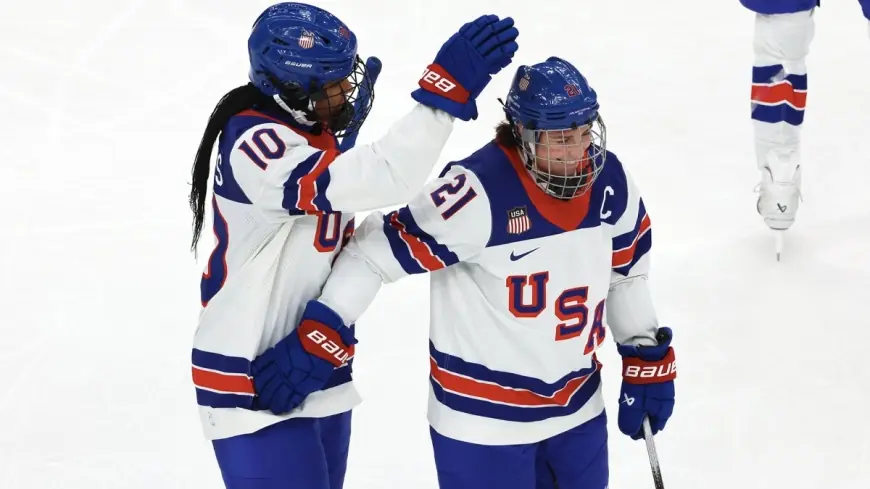
The 2026 Winter Olympics ice hockey tournament is underway, and the opening day delivered the kind of volatile mix organizers quietly hope for: a major upset, a spirited host-nation performance, and immediate reminders that the return of NHL players changes the ceiling and the expectations for contenders. In early men’s play on Wednesday, February 11, Slovakia stunned defending champion Finland 4–1, while Sweden pulled away late to beat host Italy 5–2 after a far tighter game than the score suggests.
Those results matter beyond the standings. They reshape seeding math in a format where group positioning can decide whether a team earns a direct path to the quarterfinals or gets dragged into a high-variance qualification round.
What happened in men’s ice hockey so far
Slovakia’s win over Finland set the tone: fast starts and goaltending can flip “paper” hierarchies in a short tournament. Slovakia built a multi-goal cushion and rode a strong performance in net, turning Finland’s territorial pressure into frustration.
In the other marquee opener, Italy fed off the home crowd and pushed Sweden well into the game. Sweden’s skill eventually surfaced, but Italy’s competitiveness was the headline, along with an injury concern: Italian goaltender Damian Clara faced a heavy workload and left after an impressive showing that kept the contest close.
Thursday, February 12 continues the men’s group stage with additional matchups across all three groups, as teams jockey for the best path into the medal rounds.
The format is built to punish slow starts
Men’s tournament structure is deceptively unforgiving. Twelve teams are split into three groups of four. The group winners and the best second-place team earn quarterfinal berths, while the rest are forced into a qualification round where one bad night ends a medal dream.
That design creates a powerful incentive: even favorites can’t treat early games as warmups. A single upset can turn a contender’s route into a minefield, while an underdog can buy itself breathing room by banking points early and aiming to avoid the qualification trap.
What’s behind the headline: why this tournament feels different
The biggest shift is the return of NHL participation, which lifts overall pace, shot quality, and the likelihood that one elite player can swing a tight game. It also changes internal pressure dynamics.
For the traditional powers, anything short of a medal feels like failure because the roster quality is visibly higher. For mid-tier teams, this is an opportunity to weaponize cohesion and special teams against opponents still building chemistry. For the host, Italy’s incentive is clear: turn the tournament into a national moment by staying competitive, even if the medal path remains steep.
Stakeholders extend well beyond the locker rooms:
-
Coaches and federations face reputational risk if selections and tactics look outdated against faster, more modern systems.
-
NHL clubs have a quiet stake in workload management and injuries, especially as the season resumes afterward.
-
Olympic organizers benefit when early games produce drama that keeps casual viewers engaged into the knockout phase.
The missing pieces to watch in the next 48 hours
Several key questions remain unresolved and will shape the tournament’s direction:
-
Goaltender availability for Italy: Clara’s status is pivotal because the host’s margin for error is thin.
-
Finland’s response: contenders that stumble early must avoid compounding mistakes with discipline issues or pressing too hard offensively.
-
Special teams trendline: early tournaments often swing on power-play efficiency before five-on-five chemistry fully settles.
-
Line combinations for star-heavy rosters: with limited practice time, some teams may need a full game or two to find optimal pairings.
Second-order effects: what early results could trigger
An upset like Slovakia over Finland can ripple into bracket matchups later, potentially forcing two medal favorites to collide earlier than expected. That increases the likelihood of a “stacked” quarterfinal and opens a lane for a less-heralded team on the other side of the bracket.
There’s also a psychological knock-on: once a favorite looks mortal, underdogs stop playing to “survive” and start playing to win, taking more offensive risks and pushing tempo. That can turn the group stage into a higher-scoring, higher-variance environment.
What happens next: realistic scenarios and triggers
-
Finland stabilizes quickly
Trigger: a clean, disciplined win in its next group game and improved finishing. -
Slovakia turns the upset into real momentum
Trigger: strong defensive structure repeats, plus another top-end scoring performance. -
Italy stays competitive and drags opponents into tight games
Trigger: elite goaltending holds and the team continues to convert crowd energy into early-game pressure. -
Sweden ramps up and looks like a title threat
Trigger: sharper defensive details and fewer high-danger chances allowed, especially early in games. -
The tournament tilts toward chaos
Trigger: multiple favorites drop points, creating a crowded seeding logjam that forces heavyweight qualification matchups.
Why it matters
Olympic ice hockey is a short, pressure-cooker tournament where narratives harden fast. With NHL stars back, expectations rise and the gap between “contender” and “disappointment” shrinks. The first results already hint at a tournament where seeding, health, and special teams could be as decisive as raw talent, and where one more upset can redraw the medal map overnight.