























Ukrainian Skeleton Athlete Delivers Powerful Message Amid Olympic Challenges

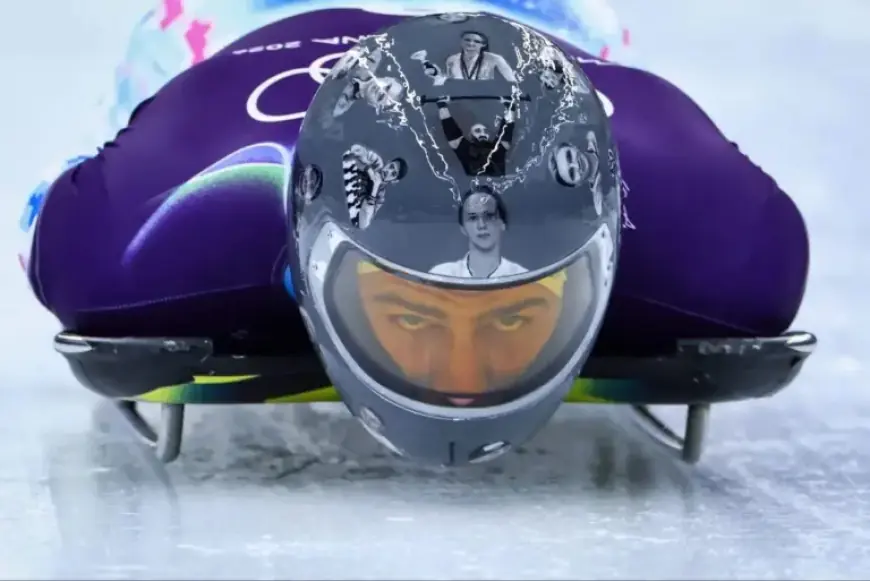
The ongoing conflict has cast a shadow over the Winter Olympics, with Ukrainian skeleton athlete Vladyslav Heraskevych standing at its center. In a powerful act of remembrance, Heraskevych wore a helmet depicting 24 fallen Ukrainian athletes during practice in Cortina d’Ampezzo. This act has drawn the scrutiny of the International Olympic Committee (IOC), raising questions about potential disqualification for contravening Olympic regulations.
Vladyslav Heraskevych and His Message of Remembrance
Vladyslav Heraskevych, 27, has turned his participation in the Olympics into a stark statement about the ongoing war that has claimed many lives. His “helmet of memory” not only honors the athletes who lost their lives but also highlights the emotional weight carried by those who compete under such circumstances.
The IOC’s Stance and Regulations
The IOC’s Article 50.2 prohibits demonstrations related to political, religious, or racial propaganda during the Olympic Games. Mark Adams, the IOC’s chief spokesman, emphasized the importance of maintaining a level playing field for all athletes. He stated, “It’s not the message, it’s the place that counts,” implying that Heraskevych’s action could be considered a political statement.
- Rule Article 50.2: Prohibits demonstrations at Olympic venues.
- IOC’s Response: Emphasis on maintaining neutrality and a level playing field.
- Potential Consequences: Disqualification of Heraskevych for violating this rule.
Support and Solidarity
Despite the looming threat of disqualification, Heraskevych continues to assert his right to honor his fallen comrades. He conveyed his perspective on social media, questioning the interpretation of his helmet. He stated, “The whole world sees ‘memory,’ but he sees a conflict?” This captures the essence of his struggle: to turn personal tragedy into a broader message of remembrance.
Many supporters believe that his actions reflect a noble intention, reminiscent of other athletes who have paid tribute to personal losses during competitions. For instance, American figure skater Maxim Naumov honored his parents in a heartfelt performance, showcasing how personal grief can intersect with athletic expression.
The Path Forward
The IOC has suggested alternative ways for Heraskevych to express his grief, such as wearing a black armband. This potential compromise illustrates the complexity of balancing individual expression with institutional rules. However, Heraskevych appears resolute in his stance, indicating that he will not back down from wearing his helmet.
As the situation evolves, the IOC’s decision regarding Heraskevych’s participation remains uncertain. Whether he competes or faces disqualification, his message of remembrance has already resonated far beyond the Olympic venue.
In this time of conflict and uncertainty, Vladyslav Heraskevych’s stand serves as a powerful reminder of the resilience of the human spirit in the face of adversity.