
























Milan Ice Rink Faces Major Issues

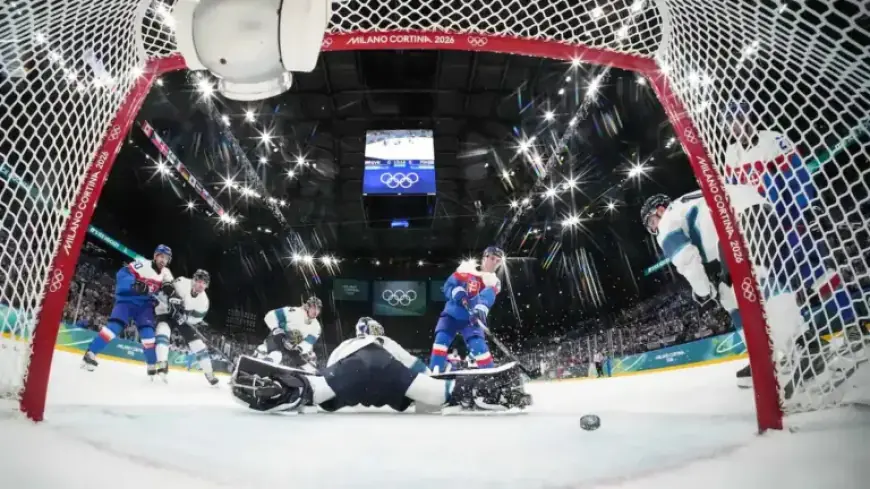
The Milan Ice Rink is currently facing significant challenges, particularly highlighted during the ongoing men’s hockey tournament. Slovakia’s national team recently surprised many by defeating Finland with a score of 4-1, thanks in part to standout performances from players like Juraj Slafkovsky. This signals potential disruptions for traditionally strong teams, such as Canada.
Slovakia’s Triumph at the Tournament
Led by Juraj Slafkovsky, Slovakia managed to upset Finland, showcasing their skill and tenacity. This victory marked a significant moment for Slovakian hockey, reflecting years of development since gaining independence in 1989.
Outstanding Performances
- Juraj Slafkovsky scored two goals and assisted another, bringing his Olympic career total to nine goals.
- Goalkeeper Samuel Hlavaj was instrumental, stopping 39 out of 40 shots faced.
Concerns Over Ice Conditions
However, the ice rink in Milan raises concerns for teams and players alike. The dimensions of the rink differ significantly from standard NHL regulations. The playing surface is narrower and shorter, which could affect gameplay considerably.
Challenges for Players
This variance in size has resulted in less space for offensive plays, which could hinder high-caliber players like Sidney Crosby and Connor McDavid. The setup feels restrictive, impacting player movement and strategy on the ice.
Organizational Responses
The organizing committee has defended the rink’s specifications, claiming they comply with International Olympic Committee standards. However, feedback from the first matches suggests that adjustments may be necessary going forward.
Future Implications
As teams adapt to the unique challenges of the Milan ice rink, those who adjust more rapidly may improve their chances of securing medals. With eyes on the anticipated matches between strong teams like Canada and the United States, a strategic approach will be crucial.
Conclusion
The Milan Ice Rink presents both opportunities and obstacles for players at the tournament. As the competition unfolds, teams will need to navigate the unconventional setup effectively to achieve their objectives.