























Winter Olympians’ Training: How It Differs from Summer Athletes

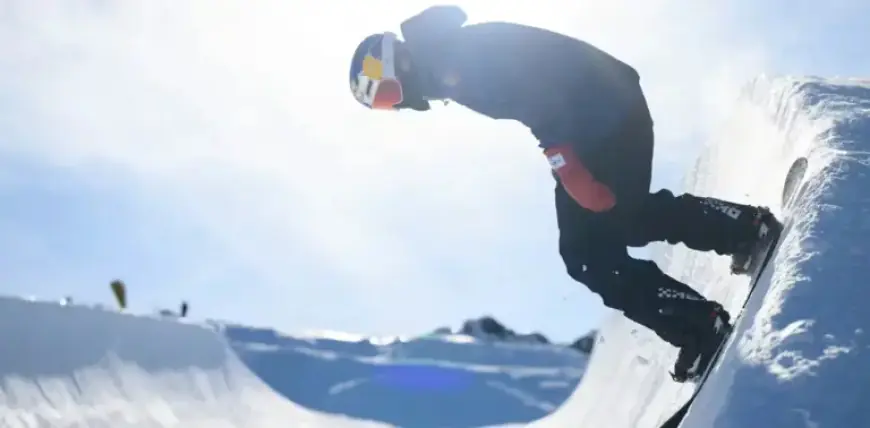
The Australian Olympic Committee has assembled a formidable Winter Olympics team of 53 athletes competing across ten sports for the upcoming Milan Cortina Winter Olympics. This year’s team is notable for its size, being the second-largest ever sent by Australia. As these athletes prepare for the competition, differences in their training methods compared to summer athletes become evident.
Winter Olympians’ Training: How It Differs from Summer Athletes
Training for winter events offers unique challenges due to varying weather conditions. In contrast to summer athletes who often prepare in hot climates, winter athletes must adapt to cold environments. This adaptation is crucial, especially when the expected temperatures in Milan Cortina may plummet to as low as -7°C.
Adapting to Environmental Conditions
Prior to the Winter Olympics, many Australian winter athletes have engaged in World Cup events in colder regions such as the United States, Canada, Austria, and Switzerland. This prepares them for the harsh competition conditions they will face.
- Training in winter environments helps athletes acclimatize.
- Preparation includes monitoring frostbite risk and ensuring proper gear for cold temperatures.
In contrast, summer athletes often participate in training camps designed to help them acclimate to extreme heat. For instance, the upcoming Paris 2024 Summer Olympics is expected to experience temperatures ranging from 36°C to 41°C.
Strategies for Heat and Cold Management
To combat the challenges presented by heat, athletes use several strategies:
- Training in high-temperature environments.
- Hydration with ice drinks and application of ice towels.
In cold conditions, winter Olympians must prepare their bodies to handle airway irritation and potential asthma triggered by cold air. The International Olympic Committee (IOC) emphasizes the importance of gradual exposure to extreme temperatures, regardless of the season.
Facilities for Specialized Training
Australia boasts several training facilities well-equipped for winter sports:
- The National Snowsports Training Centre in Jindabyne focuses on freestyle skills.
- The Geoff Henke Olympic Winter Training Centre in Brisbane aids aerial and mogul skiers.
These centers allow athletes to perfect their techniques before transitioning to snow. While summer athletes often utilize beaches for training, winter athletes opt for ski resorts like Mt Hotham and Thredbo to enhance their performance in competitive settings.
Preparing for Success in the Winter Olympics
Building core strength and explosive power in the gym, along with sprint training, is vital for sliding event athletes. This training enhances their start, a critical component of their competitions.
In conclusion, while Australian winter athletes may have to forego summer activities, their dedicated training in challenging conditions ensures they are well-prepared for the upcoming Winter Olympics. Adapting to varying weather scenarios is an essential aspect of their successful performance.