

























Washington Post Ends Books Coverage

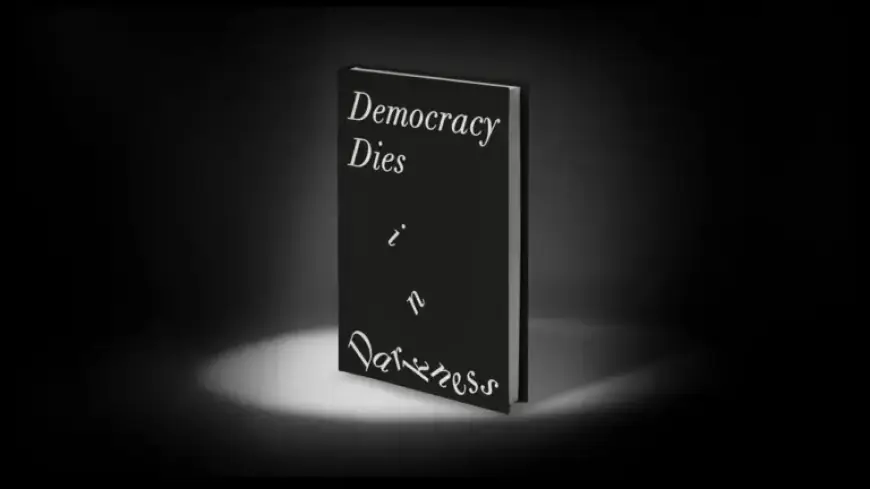
The Washington Post is making a significant shift by ending its dedicated coverage of book-related topics, sparking conversation in the literary community. This decision follows a growing trend among newspapers as they reassess their content in an era dominated by digital platforms.
Impact of Newspaper Book Sections
The role of the books section in a newspaper is to engage a broader audience. Compared to specialized literary magazines, newspapers serve to attract readers who may not yet appreciate literature fully. This mission to educate and inform contrasts sharply with tailored content driven by algorithms.
Distinct Roles of Literary Outlets
- Established Outlets: Renowned publications like the London Review of Books and The New York Review of Books have long catered to literature enthusiasts.
- Cult Favorites: Magazines such as Bookforum engage a niche audience, offering unique insights into literary discussions.
- Newcomers: Fresh voices like The Drift and The Point provide alternative approaches to literary critique.
These literary platforms, while valuable, are not a substitute for the broad appeal that a general-interest newspaper seeks to create. The aim is to broaden the literary landscape and foster an informed readership.
Challenges Faced by Book Coverage
Historically, book reviews have garnered significant interest. For instance, when the San Francisco Chronicle discontinued its dedicated book section in 2001, the reaction was overwhelmingly negative. Editors received an unprecedented number of complaints, illustrating the deep connection readers have with literary criticism.
Book World at the Washington Post experienced growth, with increasing traffic noted in 2023 and 2024. During this period, while other sections stagnated, literary coverage flourished. However, subsequent changes in editorial direction led to a dramatic loss of subscribers, raising questions about the future of such vital content.
The Shift in Literary Critique
The discontinuation of book coverage at the Washington Post highlights a broader trend among media outlets. With the rise of personalized content, newspapers must find a balance between catering to established tastes and challenging their readership. This delicate equilibrium is essential for fostering a public engaged with diverse cultural topics.
In closing, the end of the Washington Post’s dedicated book section not only marks a transformation for the newspaper but also reflects changing attitudes toward literature in the digital age. While niche publications continue to thrive, the absence of a robust book section in mainstream media is a loss for prospective readers eager to explore the literary landscape.