























Epstein Exploited ‘Gang Connections’ and ‘Illicit Affairs’ for Wealthy Influence

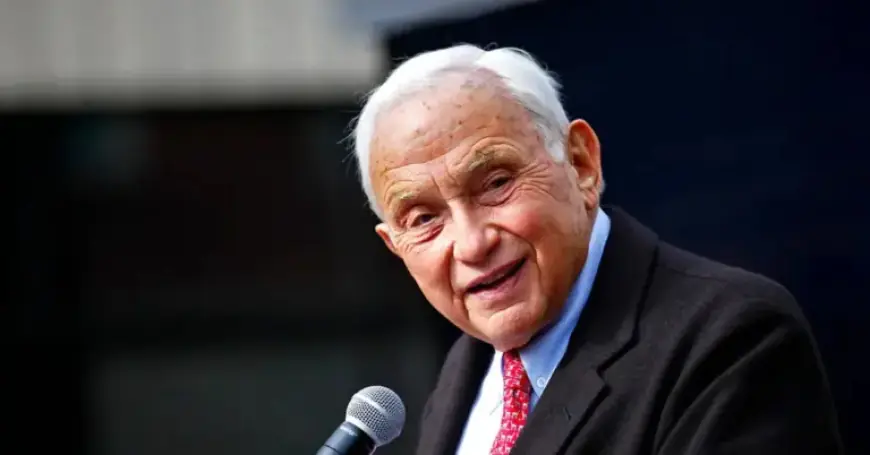
Jeffrey Epstein, the infamous financier, recently surfaced in the news due to newly released documents detailing his interactions with wealthy associates. Notably, a draft letter to Leslie Wexner, the billionaire former CEO of L Brands, caught attention. This letter, drafted years after their split, highlights Epstein’s complex relationships with influential figures and his attempts to leverage these connections.
Epstein’s Letter to Wexner
In an undated letter to Wexner, Epstein referred to their shared past, claiming, “You and I had ‘gang stuff’ for over 15 years.” He hinted at mutual debts and expressed a desire to maintain confidentiality about their dealings. The letter exemplifies Epstein’s tactics of reminding powerful friends of shared secrets.
Context of Their Relationship
Wexner provided extensive financial support to Epstein during their association from the late 1980s until around 2007. During this period, Epstein managed a significant portion of Wexner’s wealth, including assets related to major retailers like Victoria’s Secret. However, this relationship drastically deteriorated amid legal troubles surrounding Epstein’s sexual misconduct allegations.
Connections to Other Wealthy Figures
New documents reveal messages Epstein sent to other influential individuals, including Bill Gates and Leon Black. In a 2013 email to himself about Gates, Epstein described inappropriate dealings, aiming to suggest he had damaging information that could be used as leverage. Gates’ representatives dismissed these claims, labeling Epstein a “disgruntled liar.”
- Epstein’s email noted the acquisition of antibiotics and arranging “illicit trysts.”
- Dozens of communications between Epstein and Black discussed financial dealings and Epstein’s involvement in payments related to sexual assault accusations against Black.
Legal and Ethical Implications
As Epstein faced increasing scrutiny following his arrest in 2019, questions arose about his relationships with wealthy individuals. The documents underscore his strategy to exploit these connections. Investigators have previously suggested that Epstein gathered compromising information on powerful friends that might have served as blackmail material.
Wexner, who distanced himself from Epstein after discovering financial misconduct, has consistently denied any wrongdoing. He settled privately with Epstein, receiving $100 million back in 2008 after uncovering misappropriated funds. Wexner’s representatives have rejected claims that he had any knowledge of, or involvement in, Epstein’s illicit activities.
Investigation Insights
The Justice Department has released memos indicating Wexner’s name appeared among potential co-conspirators in Epstein’s investigations. However, these memos also clarify that there was limited evidence connecting him to any criminal activity. Wexner’s camp has firmly stated that he was never a target of any legal investigations.
Conclusion
The revelations surrounding Epstein’s letters and communications reinforce the notion that he manipulated relationships with influential individuals as means of control. The complex interplay between wealth, power, and illicit activities continues to captivate public interest and scrutiny in the aftermath of Epstein’s criminal legacy.