







Trump’s Immigration Policies Overshadow Winter Olympics Opening Days

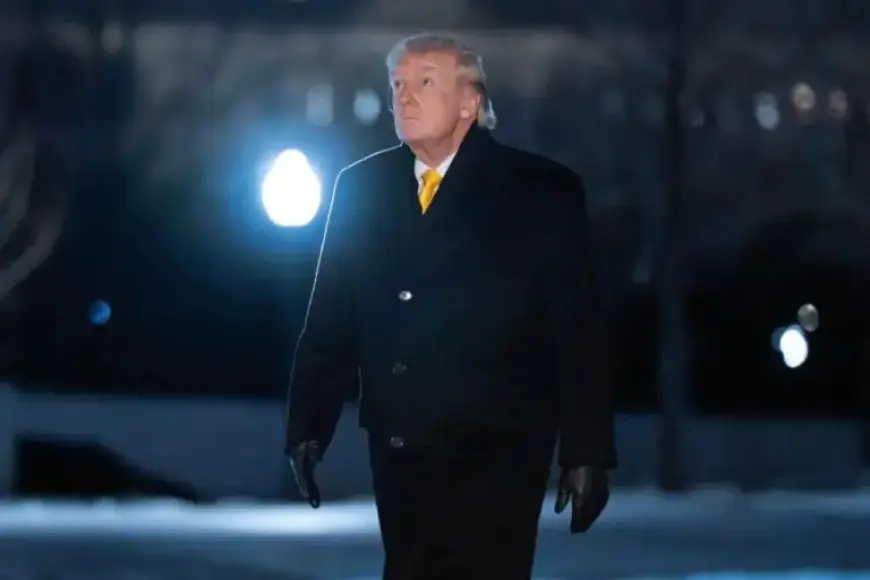
The Winter Olympics in Milan have been overshadowed by President Trump’s immigration policies, creating a divide among American athletes. Vice President JD Vance praised the Games for bringing unity to the U.S., but this sentiment faded quickly amid political turmoil.
Political Tensions at the Winter Olympics
American athletes are facing significant pressure to comment on Trump’s controversial immigration enforcement agenda. This challenge raises questions about their comfort in representing a country with divisive policies.
Mixed Emotions from Athletes
Freestyle skier Hunter Hess expressed mixed feelings, stating, “If it aligns with my moral values, I feel like I’m representing it.” This sentiment led to Trump’s sharp criticism, calling Hess a “real loser” on social media. Such remarks represent a stark departure from the usual unity of the Olympics.
Criticism of Hess was echoed by conservative commentators, including Megyn Kelly, prompting support from other athletes. Two-time Olympic gold medalist Chloe Kim emphasized the need for unity among competitors, highlighting the ongoing struggles of athletes from various backgrounds.
Broader Implications of the Olympics
The importance of the Olympics extends beyond sports, often reflecting broader socio-political debates. Historical protests, such as those by Tommie Smith and John Carlos in 1968, illustrate how athletics can become a platform for political discourse.
Recent events in the U.S., including federal actions against citizens, have intensified scrutiny of Trump’s immigration policies, affecting the athletes’ experiences at the Games. Freestyle skier Chris Lillis conveyed heartbreak over the situation in the U.S., urging for a focus on respect and dignity for all individuals.
Voices of Dissent in Milan
Mikaela Shiffrin also acknowledged global challenges while competing. She aims to reflect values of inclusivity and kindness through her participation. Similarly, figure skater Amber Glenn highlighted the struggles faced by the LGBTQ+ community under Trump’s administration.
While many athletes engage in political discussions when prompted, others are cautious, fearing that their words may be misinterpreted. U.S. speedskater Casey Dawson emphasized that politics should not interfere with the spirit of competition.
Looking Ahead
The visibility of U.S. athletes will grow, especially with upcoming events like the World Cup and the Los Angeles 2028 Summer Olympics. Despite the ongoing political divisions, there is hope that sports can act as a unifying force for the American public.
As Ashleigh Huffman, former chief of sports diplomacy, noted, “Sport can lower the temperature of the room,” suggesting a potential path toward healing amidst division.