





















Court Rules on Charles Bediako’s Eligibility for Alabama Basketball Play

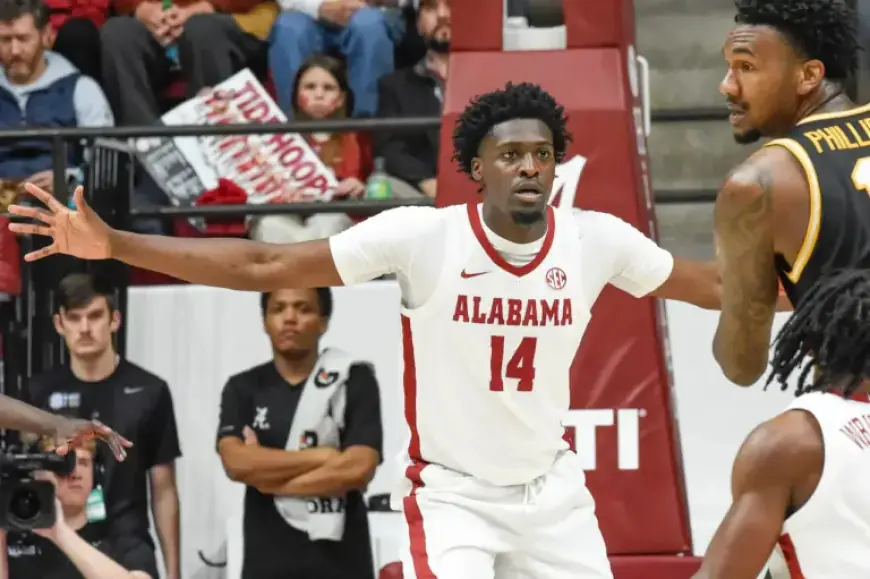
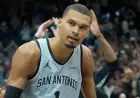
The recent decision by the Tuscaloosa Circuit Court has significant implications for Charles Bediako’s eligibility to play college basketball for Alabama. Judge Daniel Pruet denied Bediako’s motion for a preliminary injunction that would allow him to continue competing for the Crimson Tide. The court’s ruling also lifted an earlier temporary restraining order enabling Bediako to play this season.
Court Ruling Details
According to court documents obtained by AL.com, Judge Pruet determined that Bediako “has failed to establish that he would suffer irreparable harm” without the injunction. This ruling concludes a legal battle that began in January when Bediako filed a lawsuit against the NCAA. He sought to challenge the NCAA’s decision after spending three seasons in the NBA’s G League, following an unselected position in the 2023 NBA draft.
Background on Charles Bediako
- Bediako is a 7-foot center who has not participated in college basketball since 2023.
- Previously played in the G League but did not see action in any NBA games.
- Signed an NBA contract, which complicated his eligibility status in the eyes of the NCAA.
Bediako’s Performance This Season
Before the ruling, Bediako made his return to the court for Alabama on January 24 against Tennessee. He played in five games, contributing to the team’s 3-2 record during that stretch. Bediako has averaged 10 points, 4.6 rebounds, and 1.4 blocks over 21.6 minutes per game.
NCAA’s Position
NCAA President Charlie Baker commented on the ruling, emphasizing the need for clarity in college sports regulations. He stated that the decision reflects the need to maintain the separation between professional and collegiate athletes. According to Baker, allowing former professionals to return would undermine opportunities for current student-athletes.
Arguments Presented in Court
- Bediako’s team argued that the NCAA enforces its rules inconsistently.
- The NCAA stressed that Bediako’s case differs from others due to his signed NBA contract.
Judge Pruet ultimately sided with the NCAA, asserting that the organization acted justifiably based on its established rules.
Conclusion
Bediako’s aspirations to resume his college basketball career have been thwarted for now. The court’s decision reinforces the NCAA’s position on eligibility and highlights the complexities surrounding former professional athletes re-entering the collegiate sports arena. The landscape of college basketball remains highly debated, and further actions may be anticipated as stakeholders navigate these changing dynamics.