






















Bad Bunny’s Bold Super Bowl Performance Sparks Woke Revival Discussion

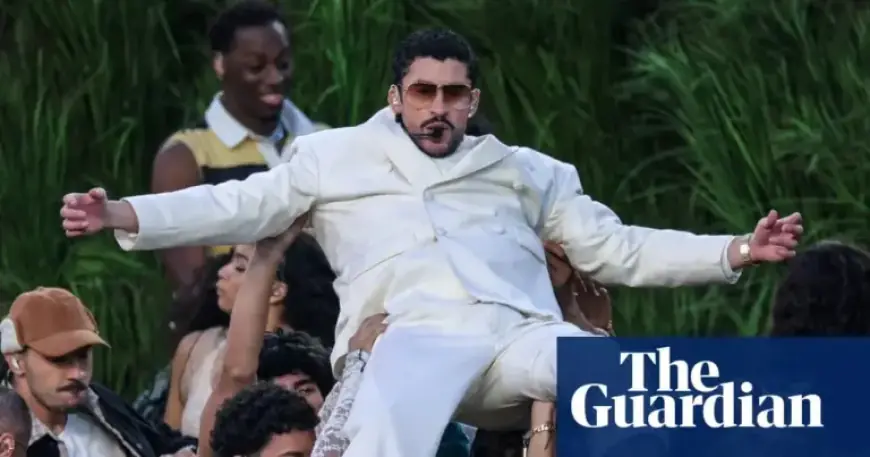
The recent Super Bowl sparked discussions about the intersection of sports, culture, and current events. Bad Bunny’s halftime performance drew significant attention and ignited debates surrounding progressive values in American sports. This year’s event, held at Levi’s Stadium in Santa Clara, California, marked a shift in tone following last year’s heavily politicized game.
Super Bowl Highlights
The Super Bowl, typically a spectacle of both sporting competition and entertainment, presented a more subdued atmosphere this year. The New England Patriots, who were not favored to win, ultimately lost, further emphasizing the shift in focus from extreme rivalries to a more reflective state. Notably absent was former President Donald Trump, who chose not to attend amid low approval ratings.
Halftime Performance
- Headlined by Bad Bunny, the halftime show integrated elements of his Puerto Rican heritage.
- The performance occurred against a backdrop that some critics deemed a superficial attempt at cultural representation.
- Despite expectations for a politically charged atmosphere, the show remained non-controversial, avoiding direct political messages.
Pre-Game Ceremonies
The pre-game festivities featured a lack of overt jingoism, aiming for a more mature tone. Notable appearances included football legends like Joe Montana and Peyton Manning, who paid tribute with gestures of camaraderie. Charlie Puth sang the national anthem in a low-key manner that contrasted with traditional performances.
Advertising Trends
This year’s commercials reflected broader societal trends. Advertisers focused on familiar themes such as AI, gambling, and food delivery. The Super Bowl ads provided a lens into contemporary consumer culture, highlighting both speculation and the necessity of insurance against upcoming challenges.
Reflections on Culture
Ultimately, this Super Bowl seemed to symbolize a desire for de-escalation within a conflict-laden cultural landscape. The absence of inflammatory rhetoric allowed viewers and attendees to engage in sports without the weight of divisive politics. Although discussions about cultural progressivism emerged, they were met with skepticism regarding their long-term impact on the NFL and American sports culture.
As fans reflect on this year’s Super Bowl, the conversation continues. Was the event merely a return to normalcy, or did it signal a more significant cultural shift? Only time will reveal whether Bad Bunny’s energetic performance will influence future celebrations of the sport.