
























Trump’s Deportation Raid Reaches Deep-Red Idaho Town

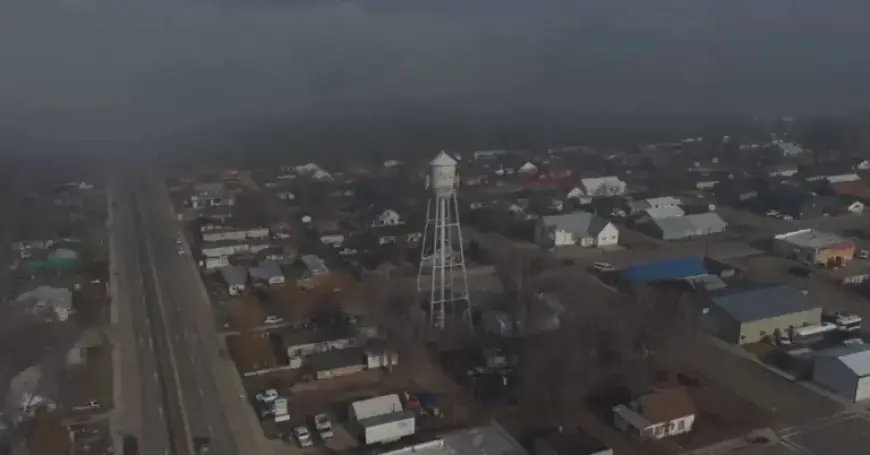
On October 19, a significant federal immigration operation took place in Wilder, Idaho, targeting La Catedral Arena, a local horse racing venue. Agents descended upon the site with weapons drawn, marking an aggressive response to alleged gambling activities. While the main goal focused on cracking down on gambling, the operation resulted in the deportation of 75 individuals, highlighting President Trump’s extensive efforts to address undocumented immigration across the nation.
Impact on the Local Community
This operation profoundly affected Wilder’s community, where many residents believed their rural, conservative town would remain insulated from such federal actions. Chris Gross, a farmer and local resident, expressed disbelief over the raid, stating, “Nobody thought something like this could happen here.”
David Lincoln, the executive director of a local nonprofit, described the raid as nearly destructive for the community. He emphasized the heightened fear among Hispanic residents. “What happens if everyone who is Hispanic thinks they’re at risk?” he questioned, noting that this anxiety was new to Wilder.
Demographics and Political Landscape
- Wilder has a population of approximately 1,725.
- About 60% of its residents identify as Latino.
- 91% of voters in Wilder supported Trump in the 2024 election.
- In 2015, Wilder elected an all-Latino City Council.
Idaho is one of the most racially homogeneous states in the U.S., with 84% of its population identified as white. This demographic backdrop adds complexity to local racial dynamics, particularly following the recent raid.
The Raid’s Execution
La Catedral Arena, where community members gathered for horse racing and cultural events, became a focal point for the federal operation. Witness reports from the event described a chaotic scene, with agents using flash-bang grenades and conducting mass arrests. Eyewitnesses, including local residents, recounted parents and teens being detained and questioned about their backgrounds rather than gambling participation.
Critics of the raid argued that it exploited gambling allegations as a pretext for racial profiling, targeting people based on their ethnicity and language. Legal experts noted that individuals were interrogated primarily about their birthplace, raising concerns over the operation’s intent.
Aftermath and Long-term Effects
In the wake of the raid, the psychological and social ramifications for Wilder’s Hispanic community have been significant. Many residents reported feeling unsafe, with half of the local Latino students skipping class the day after the raid. Local residents have become increasingly anxious about law enforcement presence in their town, leading to a community still in shock.
Moving forward, the true consequences of the raid will likely unfold as the planting season approaches in the spring. Local agricultural leaders worry about the potential loss of essential workers as fear lingers in the community.
Conclusion
Wilder’s experience serves as a stark reminder of the broader implications of federal immigration enforcement and its impact on rural communities, even in deep-red states. As the town grapples with the aftermath, the event has raised pressing questions about community dynamics, race relations, and the future of immigrant labor in Idaho.