





















Salman Rushdie: From Martyr to Human Through Knife Attack

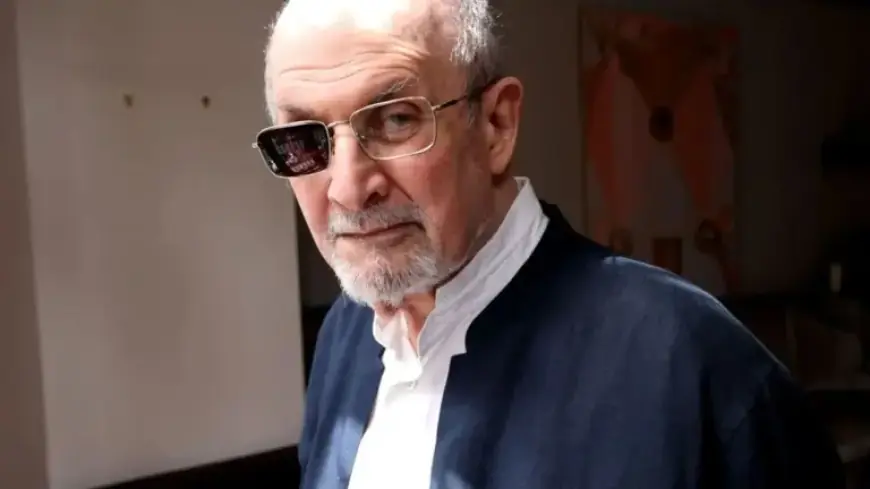
On August 12, 2022, Salman Rushdie, a notable Indian-born novelist, was brutally attacked during a speaking engagement in Chautauqua, New York. The assailant stabbed Rushdie 15 times, profoundly impacting him both physically and emotionally. This violent incident marks a tragic culmination of over three decades of turmoil, dating back to the controversial publication of his novel, The Satanic Verses, in 1989, which led to a fatwa issued against him by Ayatollah Khomeini for perceived blasphemy.
Rushdie’s Transformation: From Author to Martyr
The attack not only took away Rushdie’s sense of security but also transformed him into a symbol of resilience and free expression. His journey reflects the struggle faced by artists who dare to confront authoritarian beliefs. The incident elevated him to martyr status, highlighting the price paid by those who champion personal freedom against oppression.
The Documentary: Knife – A New Perspective
Alex Gibney’s documentary, Knife: The Attempted Murder of Salman Rushdie, premiered at the Sundance Film Festival and offers an intimate look into Rushdie’s life post-attack. It captures raw moments of vulnerability, showcasing him in recovery alongside his wife, poet and photographer Rachel Eliza Griffiths. Using their video camera, they documented the aftermath of the attack, which serves as a core element of Gibney’s film.
- Documentary Name: Knife: The Attempted Murder of Salman Rushdie
- Director: Alex Gibney
- Event Date: August 12, 2022
- Location: Chautauqua, New York
- Stabs: 15 times
- Fatwa Issued: 1989
Knife is not merely an adaptation of Rushdie’s autobiographical work, Knife: Meditations After An Attempted Murder. Instead, it delivers a broader perspective, exploring the personal and historical threads that have shaped his identity. The film intertwines his past, from childhood in Mumbai to his present in New York, effectively chronicling his evolution as a writer and public figure.
A Reflection on Violence and Resilience
Within the film, Rushdie’s reflections capture his guilt and anxieties regarding his semi-public lifestyle post-attack. Through voiceovers, he shares his thoughts while undergoing physical therapy, juxtaposed with artistic visualizations of the stabbing. The documentary features influential films, including Hitchcock’s Psycho and Bergman’s The Seventh Seal, which resonate with Rushdie’s narrative of violence and trauma.
The film not only recounts the events leading to the attack but also highlights the continued development of Rushdie as a creative mind. Despite being thrust into the political spotlight against his wishes, he navigated through immense personal challenges, influencing his literary work and public persona.
Conclusion: The Power of Humanity Over Violence
Knife ultimately showcases the strength of human spirit, contrasting moments of brutality with intimate gestures of love and support. One poignant scene exhibits Griffiths holding Rushdie’s hand to dance with him during recovery. This underscores the resilient love that persists despite adversity.
While the documentary documents a painful chapter in Rushdie’s life, it also reclaims his narrative from the violence inflicted upon him. It reaffirms that his greatest weapon remains his written word, emphasizing the enduring power of creativity and expression against oppression.