























Basant: Lahore’s Iconic Festival and Pakistan’s Cultural Gem

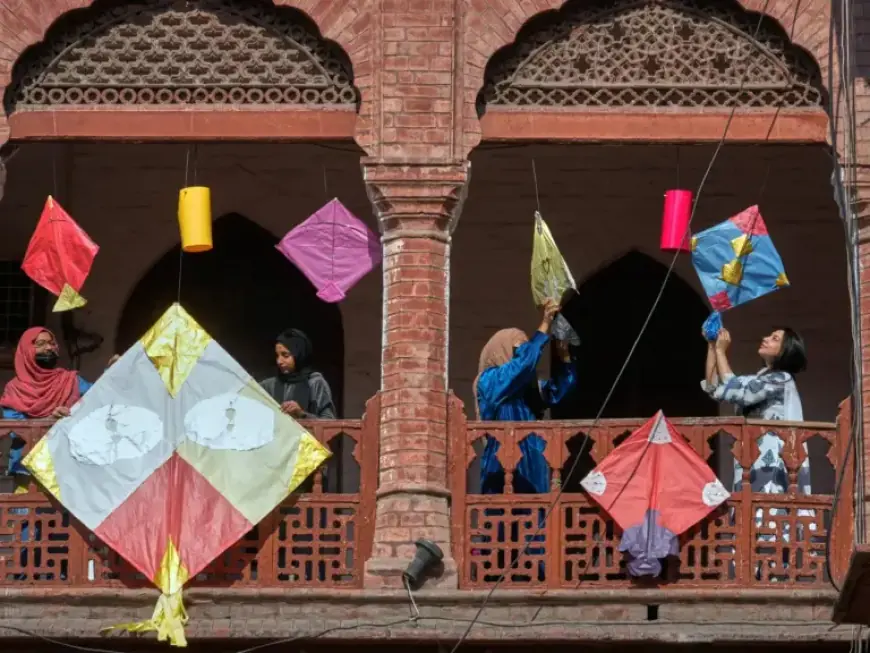
Lahore recently celebrated the iconic spring festival of Basant, marking a significant cultural revival in Pakistan. The festivities featured vibrant kite flying, filling the sky above the city with color and sound, a tradition that has been largely absent for the last two decades.
Basant Festival: A Cultural Gem
The Basant festival, which symbolizes the arrival of spring, is deeply rooted in Punjab’s culture. Traditionally, it celebrates the seasonal transition and agricultural harvest, particularly the stunning yellow mustard fields that bloom this time of year.
As the clock struck midnight on February 6, 2026, Lahore’s skies lit up with fireworks. Crowds gathered to celebrate as kites soared above, rekindling cherished memories among attendees.
Memorable Experiences
- Aamer Iqbal, a 50-year-old banker, relived his childhood by flying kites alongside his daughter.
- Businessman Muhammad Mubashir, too, was amazed to see children struggling with kite-flying basics, emphasizing the long absence of this tradition.
Basant’s history is deeply embedded in the region. The festival’s name derives from the Sanskrit word “Vasant,” signifying spring. Notably, Basant’s origins trace back to significant historical figures, such as the Sufi saint Hazrat Nizamuddin Auliya, who inspired joyful celebrations in the 13th century.
The Historical Significance of Basant
During the British colonial era, the festival united diverse communities across Punjab, with Hindus, Muslims, and Sikhs participating in vibrant celebrations. Following the 1947 partition, Basant became particularly associated with Lahore, where it evolved into a widespread event drawing international attention.
Mian Yousaf Salahuddin, a notable cultural figure, recalled how the festival transformed into a prominent celebration, particularly in Lahore’s historic neighborhoods. With connections to prominent political figures, including former Prime Minister Imran Khan, the festival gained global visibility starting in the 1980s.
The Evolution of Kite Flying
Kite flying, a central aspect of Basant, has developed a rich vocabulary and established customs over the years. Different kite shapes, especially the popular rhombus design, reflect the intricacies of this art form.
However, stringent regulations have affected the practice, limiting kite sizes and string safety, making it necessary for enthusiasts to adapt to new guidelines.
Current Celebration and Future Prospects
In light of recent security concerns, including a tragedy in Islamabad that took place shortly before the festival, authorities exercised increased vigilance. Punjab’s Chief Minister announced a careful monitoring of the celebrations, aiming to ensure a safe environment for participants.
This year’s revival of Basant not only reignited public enthusiasm but also allowed older generations to reconnect with youth through shared experiences. The kite flying tradition is now viewed as an essential cultural legacy, with parents eager to pass on their knowledge and love for the festival to the next generation.
“Teaching my children to fly kites is as vital as teaching them to swim,” Iqbal said, highlighting the significance of this tradition in fostering community ties and preserving cultural heritage in Lahore.