























Islamabad Bombing Intensifies Scrutiny on Pakistan’s Cross-Border Attacks

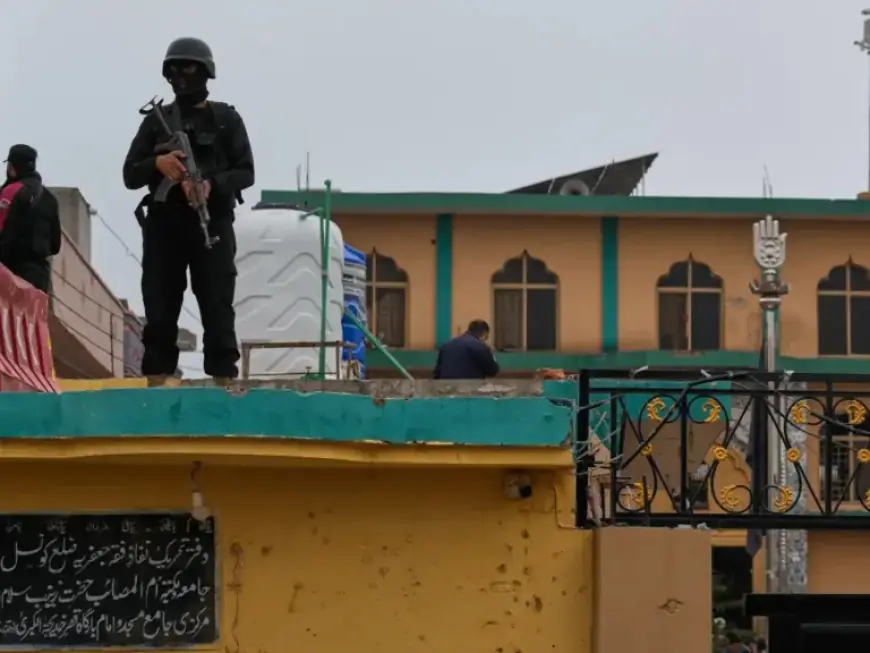
The tragic suicide bombing on February 7, 2026, at the Khadija Tul Kubra Mosque in Islamabad has raised significant concerns regarding sectarian violence in Pakistan. The attack occurred during Friday prayers, claiming the lives of over 30 individuals and injuring approximately 169 others, who were swiftly taken to hospitals for treatment.
Background of the Attack
This incident marks one of the deadliest assaults in Islamabad’s recent history, attributed to a splinter faction of the Islamic State of Iraq and the Levant (ISIL), specifically its Pakistan branch known as ISPP. The group claimed responsibility shortly after the attack via their Telegram channel, including a photo of the alleged bomber.
Details of the Incident
- Date: February 7, 2026
- Location: Khadija Tul Kubra Mosque, Tarlai Kalan, Islamabad
- Casualties: Over 30 dead, 169 injured
- Perpetrator: ISPP claimed responsibility
According to Pakistan’s Defence Minister, Khawaja Asif, the assailant had attempted to breach mosque security before opening fire and detonating explosives among worshippers. Moreover, officials indicated potential ties between the bomber and Afghanistan.
Impact on Security and Sectarian Relations
The bombing has heightened fears of escalating sectarian tensions in Pakistan, particularly against the backdrop of an uptick in violence linked to extremist groups. Analysts warn that this event could exacerbate existing divisions, especially given that Shia Muslims represent a significant minority within the nation.
Increase in Violence
Recent data from the Pak Institute of Peace Studies revealed a noteworthy spike in terror-related incidents throughout Pakistan, with 699 recorded attacks—a 34% rise over the previous year. Islamabad had previously enjoyed a relative decline in violence, making this recent attack particularly alarming.
Geopolitical Considerations
Tensions between Pakistan and Afghanistan have become increasingly fraught since the Taliban’s return to power in August 2021. Islamabad has frequently accused the Afghan Taliban of harboring anti-Pakistan militants on their soil. In the wake of this incident, Pakistani officials have hinted at a possible Afghan involvement, casting further shadows over bilateral relations.
Regional Dynamics
Analysts like Fahad Nabeel from Geopolitical Insights underscore that the current security landscape necessitates a focused investigation into groups facilitating such terrorist activities. The ongoing unrest in the Kurram district, with a nearly equal Sunni and Shia demographic, poses additional risks of escalating sectarian violence.
Conclusion and Future Outlook
The recent bombing has prompted urgent calls for a thorough investigation to prevent further sectarian unrest in Pakistan. Experts warn that if not addressed, the potential for continued low-intensity violence remains high. Ongoing scrutiny of militant networks, particularly those with sectarian agendas, is essential for maintaining stability in the region.
For comprehensive updates on this developing situation, stay connected with Filmogaz.com.