

























Japan Elects as Sanae Takaichi Pushes Conservative Agenda

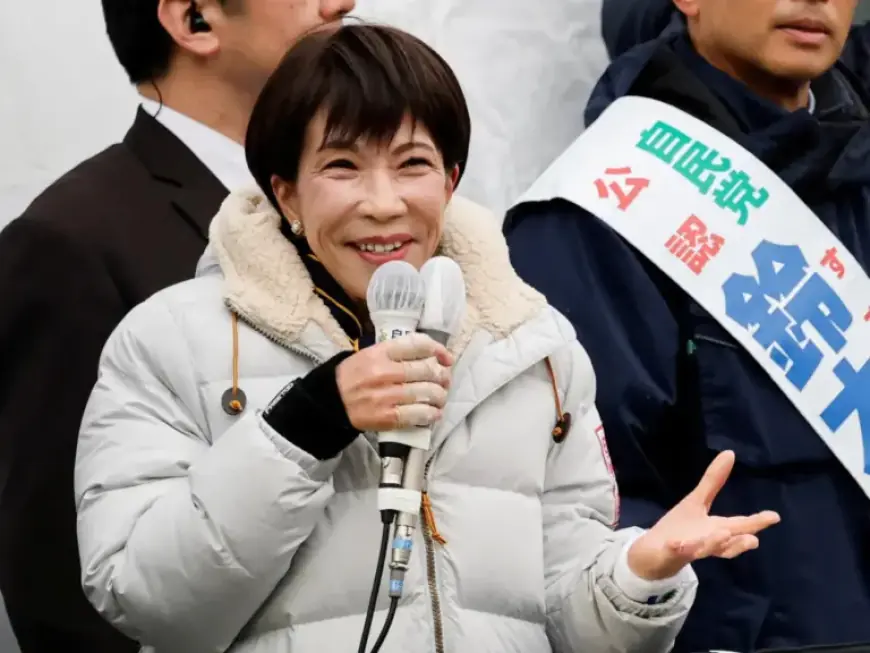
In a critical parliamentary election, Japan is poised for a significant shift under the leadership of Prime Minister Sanae Takaichi. Scheduled for Sunday, this snap vote reflects Takaichi’s pursuit of a conservative agenda aimed at gaining a new mandate for increased defense spending and stringent immigration reforms.
Election Overview
Prime Minister Takaichi’s coalition, comprising the Liberal Democratic Party (LDP) and the Japan Innovation Party, is projected to secure over 300 of the 465 available seats in the lower house. This is a substantial increase from the 233 seats currently held. Various opinion polls indicate that the opposition, despite establishing a centrist alliance, remains fragmented and unable to pose a serious challenge.
Sanae Takaichi’s Leadership
At 64 years old, Takaichi made history as Japan’s first female prime minister after her election as LDP leader in October. Known for her unique blend of tough yet playful governance style, she has garnered popularity among younger voters. Takaichi has publicly pledged to resign if her coalition fails to secure a majority.
Key Election Issues
- Cost of Living: The rising cost of living is a primary concern for voters. Real wage growth is lagging significantly behind inflation, affecting households.
- Economic Growth: Last year’s economic expansion was only 1.1 percent, with projections estimating growth at 0.7 percent by 2026 according to the International Monetary Fund.
- Stimulation Measures: Takaichi has vowed to suspend the 8 percent sales tax on food for two years to alleviate financial pressures on families. This follows a 21.3 trillion yen ($136 billion) stimulus package aimed at cost-of-living relief.
Defense and Immigration Policies
The prime minister aims to redefine Japanese security and defense strategies by December, including lifting the ban on weapon exports. Takaichi’s administration is expected to implement tougher immigration regulations, requiring stricter compliance from foreign property owners and establishing caps on foreign residents.
Impact of Weather Conditions
This election takes place amidst records of heavy snowfall across northern and eastern Japan, with certain areas expecting up to 70 centimeters (27.5 inches) of snow. Such weather could impact voter turnout, although analysts predict it won’t significantly alter the election outcome.
Future Implications
A decisive win for Takaichi’s coalition may lead to a repositioning of Japan’s foreign policy. With a stronger mandate, she could enhance the Japan-U.S. alliance and adopt a more pragmatic approach toward China. The endorsement from former U.S. President Donald Trump adds a complex dynamic to her campaign, reflecting both potential support and public apprehension regarding international relations.
In conclusion, Japan’s parliamentary election represents a pivotal moment for Sanae Takaichi as she seeks to navigate economic challenges and a shifting political landscape. As voters head to the polls, their decisions will shape the future direction of Japan’s domestic and foreign policies. For ongoing updates and insights, visit Filmogaz.com.