






















Dr. Peter Attia’s Epstein ties trigger fallout as TV role comes under pressure

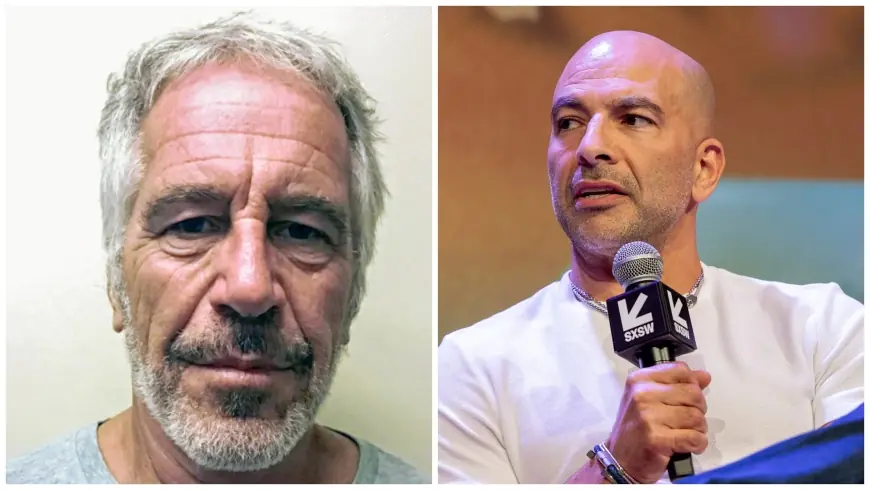
Dr. Peter Attia, the physician and longevity influencer behind a popular health podcast and bestselling book, is facing escalating professional consequences after newly released Jeffrey Epstein records highlighted years of correspondence between the two men. The controversy has widened beyond online outrage into concrete corporate and programming decisions, raising fresh questions about what standards apply when a health personality is elevated into a mainstream television contributor role.
The story is moving fast because it sits at the intersection of three combustible issues: trust in medical expertise, the reputational aftershocks of Epstein’s network, and the business risk that comes when sponsors and audiences balk.
What the Epstein documents show about Attia
The newly publicized records include extensive email correspondence between Attia and Epstein spanning multiple years, with Attia’s name appearing repeatedly in the trove. Some messages include crude jokes and familiar banter that Attia has since described as humiliating.
Attia has not been accused of criminal wrongdoing connected to Epstein. His public defense has centered on two points: that his interactions were not tied to sexual abuse, and that he did not participate in Epstein’s criminal conduct. In a written statement posted in early February 2026, he also described meeting Epstein in person several times in New York and framed his involvement as a professional misjudgment.
The apology—and what it tried to close off
As the emails spread, Attia issued an apology calling the tone of some messages embarrassing and indefensible. He sought to draw a bright line between tasteless correspondence and criminal complicity, emphasizing he never witnessed illegal behavior and never saw anyone who appeared underage in Epstein’s presence.
That line may limit legal exposure, but it doesn’t end the reputational problem. In a trust-based industry like health and wellness, the question isn’t only “Was a law broken?” It’s also “What judgment was exercised, and what does it say about credibility?”
The broadcast-news dilemma and why it matters
The controversy intensified because Attia’s higher-profile media role was announced shortly before the document wave gained traction. Once the emails became widely discussed, the network faced two competing incentives: stand by a newly hired contributor to avoid appearing reactive, or cut ties quickly to protect institutional credibility.
Instead, the immediate response has looked more like containment than a clean break. A previously aired segment featuring Attia that had been slated for a major rerun window was pulled, signaling sensitivity to public pressure and advertiser optics. At the same time, public reporting indicates the organization has resisted formally severing the relationship—at least so far—creating an unstable middle ground where Attia can be “kept” while being used less.
Corporate and brand fallout begins to stack up
Beyond television, the controversy has already affected Attia’s relationships with companies and projects linked to his brand. In early February 2026, he stepped away from an executive science role at a protein bar company following the renewed scrutiny. Other brands have also moved to distance themselves, including at least one health-and-wellness company that removed his advisory association from public-facing materials.
This is the part that often decides these stories: not viral anger, but whether partners see measurable downside—customer cancellations, sponsor complaints, or an internal sense that the risk outweighs the value.
Criticism from medical peers raises the temperature
The backlash has included pointed criticism from other physicians, including public calls for higher ethical standards when medical voices are promoted as mainstream experts. One prominent doctor announced she would not appear on the network while Attia remains affiliated, framing the issue as both moral and professional: mainstream audiences deserve medical communicators whose judgment isn’t shadowed by close association with Epstein after his past was already known publicly.
That kind of peer-to-peer criticism tends to carry more weight than celebrity commentary because it targets the core premise of Attia’s influence: trust in his medical guidance.
What to watch next
The next steps are likely to be practical rather than philosophical:
-
Whether Attia remains on-air in any regular capacity, or is effectively sidelined without a formal separation
-
Whether advertisers and sponsors signal discomfort in ways that affect programming decisions
-
Whether additional documents or messages add context that changes how the relationship is understood
-
Whether Attia takes further steps to rebuild credibility, such as outside reviews, transparency commitments, or organizational changes
For now, the controversy is less about one set of emails than about an ongoing tension in modern media: the rise of health influencers into authoritative platforms, and what happens when those influencers’ past associations collide with the standards audiences expect from institutions.
Sources consulted: Reuters, CBS News, Los Angeles Times, The Atlantic