

























Toyota Appoints New CEO Amid U.S. and China Pressure

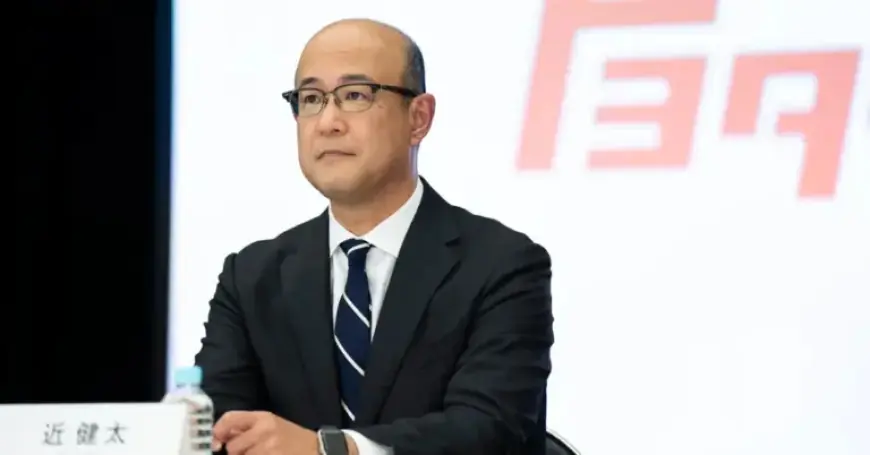
Toyota Motor Corporation is undergoing a leadership transition as it prepares to navigate increasing pressure from geopolitical tensions and protectionist policies. Effective April 1, Kenta Kon, the current chief financial officer, will take over as CEO, succeeding Koji Sato, who is moving to the role of vice chairman.
Toyota’s Position in a Challenging Market
Despite being the world’s largest automaker and leading global sales, Toyota faces significant challenges. The most pressing issues include higher tariffs in the U.S. and fierce competition from Chinese automakers.
Tariff Challenges
- Japan currently faces a 15 percent tariff on auto exports to the U.S.
- This rate, while reduced from a potential 27.5 percent, is still dramatically higher than historical levels.
- Japanese manufacturers, including Toyota, report that these tariffs are adversely impacting their profit margins.
In response, Canada announced a substantial plan offering incentives and tax breaks, aiming to establish itself as a leader in electric vehicles while reducing dependency on the U.S. market.
Competition from China
The automotive landscape is shifting. Toyota is contending not only with established manufacturers but also with emerging companies like BYD, which are advancing rapidly in electric vehicle technology.
In January, China threatened to restrict exports of rare earth minerals critical for manufacturing, which could significantly affect Japan’s auto industry.
Leadership Expectations for Kenta Kon
Kenta Kon brings extensive experience to his new role. He gained recognition for effectively managing supply chain disruptions, particularly during the COVID-19 pandemic. He was instrumental in ensuring an adequate supply of semiconductors during critical shortages that impacted production across the industry.
- Kon was recently involved with Woven by Toyota, focusing on improving the unit’s financial performance and accelerating software development.
- He has stated his intention to concentrate on the company’s financial stability amid a challenging market landscape.
While specifics of his vision remain vague, he emphasizes the importance of maintaining a robust profit structure to weather difficult conditions.
Strategic Focus
As Toyota navigates these complexities, the company has adjusted its outlook for the full-year operating profit, raising expectations by 12 percent. This suggests that its long-term strategy of developing both electric vehicles and hybrid technologies is yielding positive results.
The management transition also aligns with Koji Sato’s continued influence as chairman of the Japan Automobile Manufacturers Association. His position allows him to address critical industry challenges, including supply chain security and the impact of geopolitical tensions.
Concluding Thoughts
The internal changes at Toyota reflect a broader need for innovation and resilience in the automotive sector. As competition intensifies and global markets evolve, the company’s strategic direction under Kenta Kon will be crucial for sustaining its leadership in the industry.