






















More Higher Ed Figures Emerge in Epstein Files

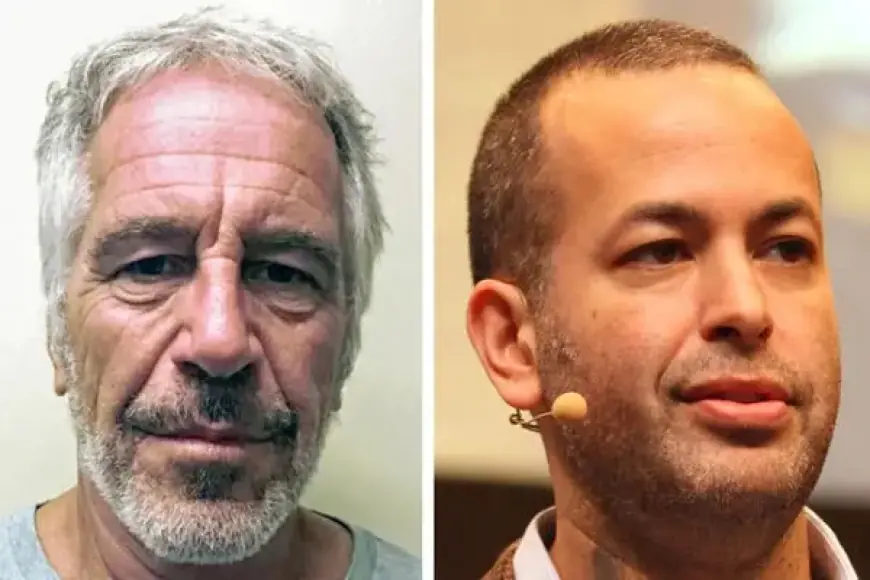
The recent release of documents related to Jeffrey Epstein by the Department of Justice has unveiled notable relationships between him and various academics. These findings highlight correspondences with university professors who engage in discussions on research but deny involvement in Epstein’s criminal activities. The newly revealed emails present a complex picture of interactions that raise ethical questions within academia.
More Higher Ed Figures Emerge in Epstein Files
While examining the documents, several names emerged, linked to Epstein through emails and interactions. Although these academics had various levels of correspondence, none have been legally implicated in his crimes.
Key Figures and Their Correspondences
- David Ross: Former chair of the School of Visual Arts, Ross resigned following the release of emails discussing potential art exhibits featuring underage models. In his correspondence, he described Epstein’s prison time as a “special sleep away camp” and expressed relief at Epstein’s release.
- Martin Nowak: A Harvard professor, Nowak had over 4,000 documents linked to him in the Justice Department database. He maintains a long history of communication with Epstein, including visits to his residence. In 2021, Harvard sanctioned Nowak due to his Epstein connections; sanctions were revoked in 2023.
- Nathan Wolfe: A former virology professor at Stanford, Wolfe exchanged emails with Epstein from 2008 to 2013. Notably, he invited Epstein to a dinner and communicated about a study examining sexual behavior in undergraduates, later expressing regret for his associations with Epstein.
- Corina Tarnita: A professor at Princeton, Tarnita met Epstein during her graduate studies at Harvard. Their correspondence included personal greetings and discussions about financial support for women in mathematics. Tarnita has publicly expressed regret over her connection to Epstein.
- Mark Tramo: A professor at UCLA, Tramo communicated with Epstein between 2010 and 2019, including discussions about students in his research. Tramo recalled sending notes to Epstein after his conviction, stating he was unaware of the full extent of Epstein’s misdeeds.
- Jack Horner: The retired paleontologist from Montana State University interacted with Epstein during a visit to his property. Horner thanked Epstein for the hospitality, discussing his experiences without acknowledging any wrongdoing.
- Antonio Damasio: A professor at USC, Damasio sought Epstein’s funding for research on emotions in 2013. He noted that their meeting was typical of relationships between scientists and wealthy philanthropists.
Additional Insights from the Files
The documents further revealed Epstein’s attempts to connect with other academics, including efforts to meet Albert-László Barabási from Northeastern University. Barabási condemned Epstein’s actions and emphasized that many academics were unaware of his harmful activities.
As more revelations continue to unfold, the implications of these relationships demand a critical examination of ethical standards in academia, especially regarding associations with individuals of dubious moral standing.