

























Understanding Data Centers: Their Impact on Regional Victoria

Regional Victoria is positioning itself as a potential hub for data centers, with significant investments underway to enhance digital infrastructure. Currently, the state hosts 40 data centers and aims to become the leading data center capital of Australia, supported by a $5.5 million Sustainable Data Centre Action Plan.
Understanding Data Centers and Their Significance
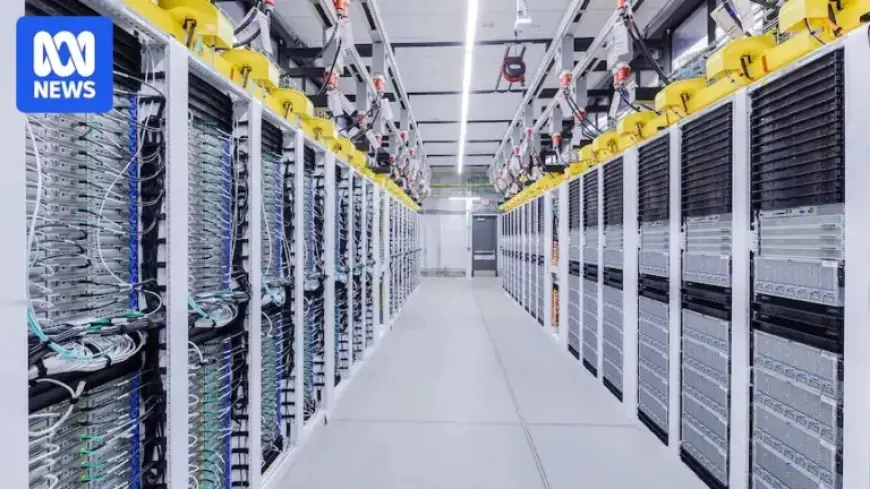
A data center is a facility that stores computer systems and associated components, essential for processing and managing digital data. These centers rely on significant electrical power and physical space. Globally, there are approximately 4,000 data centers, and Australia ranks among the top five countries for their operation.
The Benefits of Data Centers for Regional Victoria
According to Griffith University’s Associate Professor Joel Gilmore, regional areas can benefit significantly from data centers. Investments in such facilities promote local renewable energy projects, enhancing community resources.
- Data centers make up a substantial portion of the energy grid.
- They can help invest in renewable energy, offering local power solutions.
Resource Consumption of Data Centers
Data centers are known for their high energy demands. The Climate Council estimates that these facilities consume between five to ten megawatts of power, equivalent to what approximately 3,000 homes use. With the increased use of AI and cloud resources, this energy requirement could grow by 6% by 2030.
Water Usage and Cooling Methods
The water consumption of data centers varies based on heat management strategies. Smaller facilities can utilize up to 26 million liters annually with traditional cooling methods. As Priya Rajagopalan from RMIT highlights, energy is essential both for operating the equipment and cooling it.
Transitioning to Renewable Energy
Coordinating the establishment of new data centers with renewable energy initiatives is critical. Professor Gilmore emphasizes the need for this strategic approach. Without concurrent renewable energy development, reliance on traditional sources like coal may continue, raising electricity costs.
- Data center operators in Australia are increasingly committing to 100% renewable energy.
- This commitment involves a mix of energy storage, direct clean energy purchases, and support for large-scale solar and wind projects.
Regional Victoria: The Ideal Location for Investment
The geographical advantages of Regional Victoria, including abundant land, reliable water resources, and strong connectivity, make it attractive for data center investments. Notably, Singaporean firm Keppel Ltd is planning a $10 billion data center on a 123-hectare site in Gippsland.
Job Creation and Economic Impact
A well-planned data center can yield positive economic outcomes for local communities, providing jobs and enhancing infrastructure. The Australian data center workforce currently includes around 9,600 full-time positions, but the demand is expected to nearly double by 2030 due to technological advancements.
Investment in data centers not only fulfills growing digital needs but also promises economic growth and sustainability for regional Victoria.