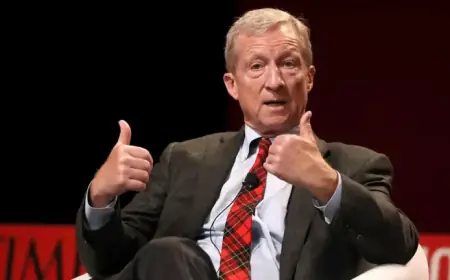
Peter Attia Epstein emails spark CBS News backlash; Dr. Peter Attia issues apology as questions grow over his contributor role

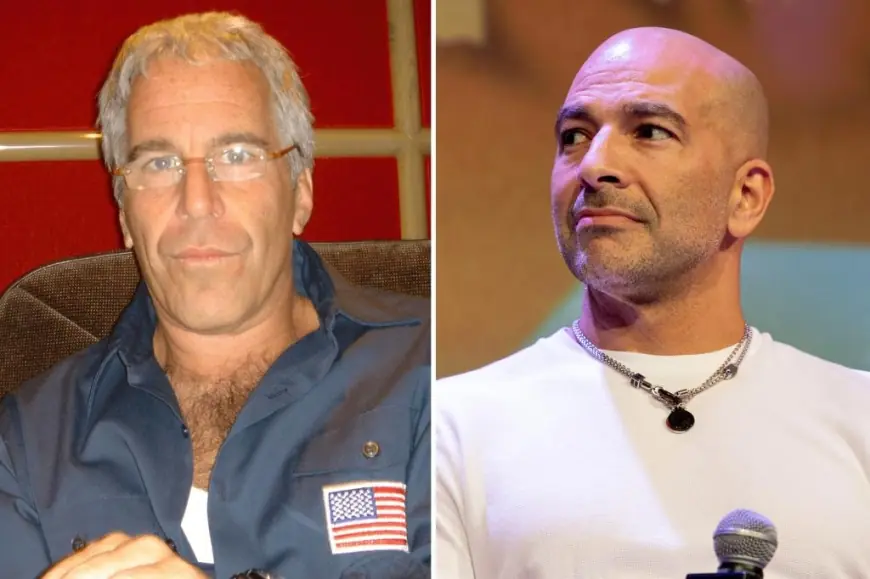
A growing backlash is building around longevity physician Dr. Peter Attia after newly surfaced emails involving Jeffrey Epstein triggered internal questions about his on-air contributor role and prompted a public apology. The controversy has quickly widened beyond the messages themselves, putting a spotlight on vetting, reputational risk, and whether a newly announced contributor can remain a credible voice in health coverage.
What sparked the backlash
The issue centers on a batch of newly disclosed Epstein-related records that included a large volume of email references to Attia. Some of the messages drew attention for crude, joking language and a familiar tone that critics say is incompatible with Epstein’s criminal history and the seriousness of the broader case.
Attia has not been accused of criminal conduct in connection with the emails. Still, the content and the sheer volume of references triggered immediate public and newsroom blowback, especially because his contributor role was announced only days before the records became widely circulated.
Dr. Peter Attia’s apology and what he denied
On Monday, Feb. 2, 2026, Attia issued a statement apologizing for the emails, describing them as embarrassing and indefensible. He also drew boundaries around what he says did not occur: he denied involvement in criminal activity and pushed back on insinuations that his relationship with Epstein went beyond professional or social contact.
The apology has not resolved the core question raised by critics: why a physician who exchanged friendly and crude emails with Epstein should hold a prominent public-facing role tied to medical advice and public trust.
The contributor role controversy and internal pressure
The biggest institutional test is whether the network’s news division keeps Attia in his contributor slot. Recent coverage indicates executives have debated potential steps ranging from continuing the relationship to severing ties, with internal stakeholders weighing brand damage against Attia’s popularity in longevity circles.
In the meantime, at least one planned re-airing of a previously recorded segment featuring Attia on a flagship Sunday newsmagazine was pulled from the broadcast schedule, a sign that decision-makers are already acting to reduce his visibility while the situation remains unsettled.
Key takeaways
-
The emails reignited debate over vetting and standards for paid contributors in broadcast news.
-
Attia apologized for the tone of the messages while denying wrongdoing.
-
Programming decisions suggest the network is trying to contain reputational fallout even as it weighs next steps.
Why the emails hit harder in a health-media role
Controversies involving public figures often hinge on whether the conduct directly affects their work. In this case, critics argue the connection is direct: a health contributor is expected to model judgment, professionalism, and sensitivity—especially when discussing risk, consent, exploitation, and harm.
Supporters counter that the emails reflect poor taste rather than professional malpractice, and that Attia’s medical work and public education efforts on metabolic health and longevity should be evaluated separately from past correspondence.
The tension between those views is now playing out in real time, with the network facing pressure from viewers and observers who expect stricter guardrails for paid expert roles.
What to watch next
Several near-term developments could shape what happens from here:
-
Network decision on status: A clear call—retain, suspend, or terminate—would signal how aggressively the organization wants to enforce reputational standards for contributors.
-
Further document visibility: If additional messages emerge beyond what has already circulated, the story could evolve quickly, particularly if new context contradicts earlier characterizations.
-
Brand and sponsor reactions: Any changes in affiliations, partnerships, or speaking engagements may serve as a proxy for broader reputational impact.
As of Thursday, Feb. 5, 2026, Attia’s apology remains the central public response from his side, while the network’s actions have been more visible in programming choices than in definitive public statements. The next few days—especially heading into the Sunday, Feb. 8, 2026, broadcast window—are likely to determine whether this remains a short-lived controversy or becomes a lasting test of contributor standards.
Sources consulted: Reuters; Los Angeles Times; The Atlantic; Variety