




















Turning Point USA’s Halftime Reflects Deep-Seated Resentment

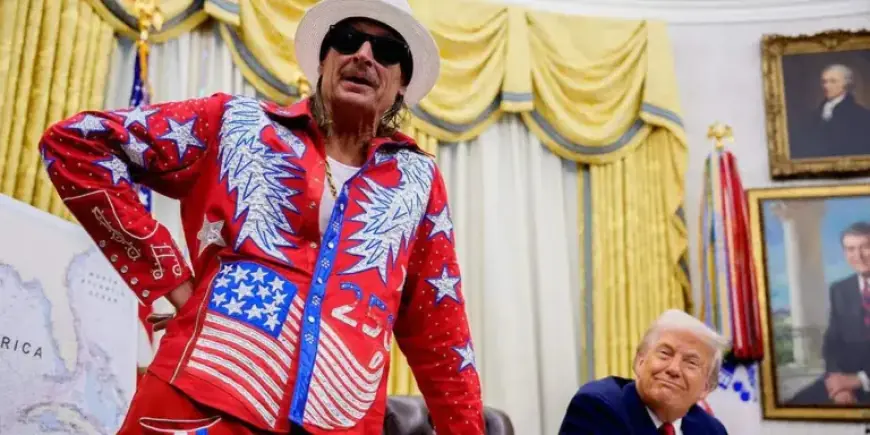
The conversation surrounding the Super Bowl Halftime Show has taken an unexpected turn, showcasing contrasting cultural landscapes. Turning Point USA has announced an alternative halftime show featuring several artists, including Kid Rock, Brantley Gilbert, Lee Brice, and Gabby Barrett. This lineup raises questions about representation and merit in a time of cultural division.
Turning Point USA’s Halftime Show: A Study in Resentment
The event, intended as a response to mainstream programming, highlights a deeper issue within segments of American culture. Known for his controversial stances, Kid Rock has become the face of a backlash against performers like Bad Bunny, who has achieved global recognition in the music industry.
Kid Rock’s Controversial Stance
Kid Rock, notorious for his antics, made headlines in 2023 by posting a video of himself shooting Bud Light boxes. This act came as a reaction to the brand’s partnership with transgender influencer Dylan Mulvaney. Instead of offering artistic commentary, his actions were perceived as a shoot first, think later approach to cultural critique.
The Artist Lineup: A Lack of Diversity
The artists selected for the Turning Point USA halftime show are predominantly white, departing from the diversity often celebrated in mainstream entertainment. None of the chosen performers are recognized as headliners by notable cultural standards, raising concerns about the motivations behind their selection:
- Kid Rock
- Brantley Gilbert
- Lee Brice
- Gabby Barrett
The Impact of Cultural Merit
In contrast, Bad Bunny has emerged as a leading figure in global music, known for breaking language barriers and achieving significant milestones. He recently made history as the first artist to win Album of the Year at the Grammys for a Spanish-language album, embodying true merit in the industry.
Resentment vs. Excellence
The contrasting approaches to entertainment illustrate a larger cultural divide. While Bad Bunny’s success is driven by talent and hard work, the alternative halftime show represents a gathering of artists aligned more with ideological perceptions than with cultural relevance. This emphasis on grievance over skill emphasizes a troubling trend in the current cultural landscape.
The Future of Cultural Dialogue
The dichotomy between these halftime shows symbolizes broader societal challenges. On one side, audiences embrace diversity and progress, while on the other, a faction clings to a vision rooted in nostalgia and resentment. To thrive as a society, a collective decision must be made: should we seek inclusion and forward motion, or remain stagnant in a past filled with grievances?
Ultimately, the choice reflects a significant crossroads for American culture, one that will determine how we share our spaces and narratives as we move into the future.