

























Dangerous California Weather Phenomenon Makes a Return

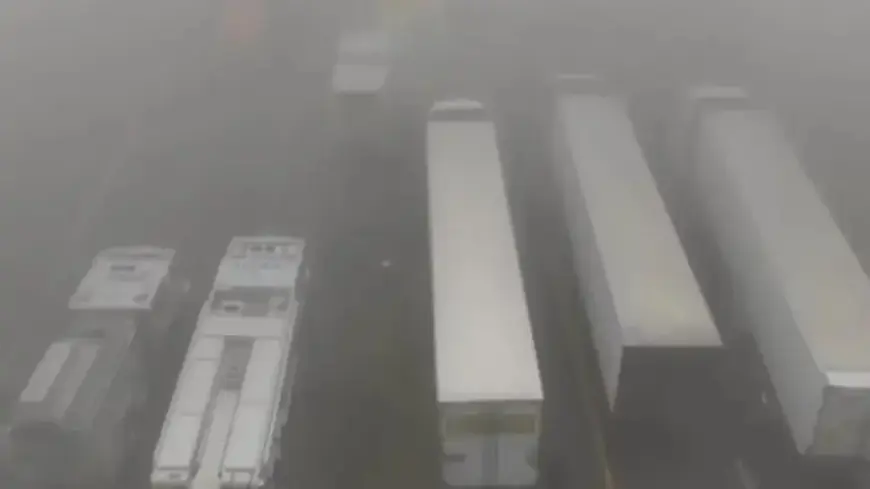
California is currently experiencing a dangerous weather phenomenon known as tule fog. This type of fog, prevalent in the Central Valley, has been increasingly linked to serious traffic incidents.
Understanding Tule Fog
Tule fog, named after the tule grass indigenous to California, is a form of radiation fog. It typically develops during clear and calm nights when the ground cools rapidly. As the ground loses heat, moisture in the air condenses, leading to the formation of dense fog.
The visibility during tule fog can drop dramatically, often to less than 1/8 of a mile or even as low as 10 feet. This sudden decrease in visibility enhances the risk of multiple vehicle accidents.
Recent Accidents in California
Several multi-car crashes have occurred in recent weeks due to this hazardous fog. Notable incidents include:
- A 59-vehicle accident on January 31 on Highway 99 in Tulare County, resulting in 10 injuries.
- A 43-vehicle collision on January 27 on Highway 58 near Bakersfield, which led to nine injuries.
Fortunately, there were no fatalities reported from these accidents. Officials emphasize that these types of pile-ups are common when vehicles enter fog banks unknowingly.
Forecast and Driving Safety
The National Weather Service predicts that high transportation risks associated with tule fog will persist throughout the week. Drivers are advised to exercise extreme caution, as visibility may drop to near zero quickly.
Roadways particularly affected include:
- Interstate 5
- State Routes 41, 43, 46, 99, 58, 59, 140, 152, 165, 180, and 198
To navigate safely in tule fog, adhere to these guidelines:
- Use low beam headlights during daylight.
- Reduce your speed significantly.
- Stay aware of your surroundings and listen for traffic.
- Avoid intersections where cross traffic does not stop.
- If necessary, stop your vehicle away from traffic to prevent injury.
- Consider postponing trips until the fog has lifted, typically by late morning.
Future of Tule Fog
While Central California has historically experienced long periods of dense fog, recent studies indicate that tule fog occurrences have decreased over the decades. In 1985, Fresno faced 16 consecutive days of heavy fog, while Sacramento recorded 17 days. Current weather patterns suggest that these extended episodes may no longer be as frequent.
As California’s Central Valley continues to navigate the challenges posed by tule fog, residents and travelers must remain vigilant and prioritize safety on the roads. For further updates and safety tips, visit Filmogaz.com.