





















Cavs Trade Lonzo Ball to Utah Jazz

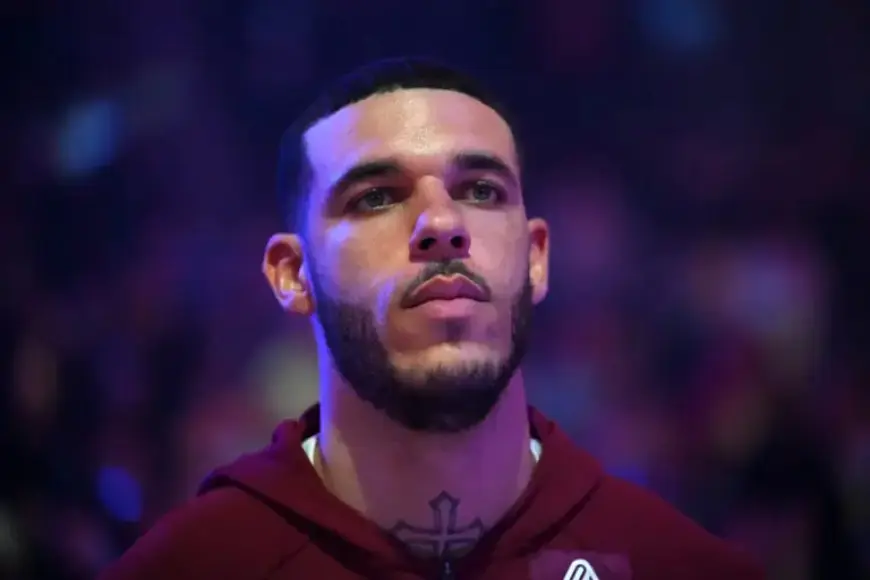
The Cleveland Cavaliers have made a significant roster move by trading Lonzo Ball and two second-round draft picks to the Utah Jazz. This decision marks Cleveland’s shift away from a prior gamble made during the offseason, when they acquired Ball in hopes of enhancing their lineup.
Cavs’ Trade Details
Sources confirm that the Cavs will send Ball and the picks from 2028 and 2032 to Utah. Following the trade, Utah is expected to waive Ball, concluding his brief tenure in Cleveland.
Financial Implications
- The trade allows the Cavaliers to reduce Ball’s $10 million salary.
- This move is critical for Cleveland to potentially fall below the NBA’s second apron—a financial threshold impacting team flexibility.
- The Cavaliers are projected to trim their luxury tax bill from approximately $120 million to $65 million.
The second apron rule, implemented in the NBA’s current Collective Bargaining Agreement (CBA), restricts teams above this line. Teams are prohibited from moving their first-round pick for seven seasons if they exceed this cap, adding urgency to Cleveland’s decision.
Impact on Roster and Performance
Lonzo Ball arrived in Cleveland with expectations of being a high-IQ guard who could integrate smoothly into their offensive system. However, he struggled significantly, finishing the season with poor statistics:
- 30.1% shooting from the field.
- 27.2% shooting from three-point range.
His performance failed to meet the organization’s expectations for spreading the floor and driving the offense. Ball’s lack of consistency in generating scoring opportunities rendered him ineffective, especially as his minutes diminished throughout the season.
Long-term Considerations
The Cavaliers’ decision to let go of Ball signals a reevaluation of their roster strategy. After the trade, they have eliminated a high-risk contract and cleared a roster spot, allowing them to convert Nae’Qwan Tomlin’s two-way deal into a standard contract.
This trade highlights the cascading effects of pursuing financial flexibility over potential upside. With Ball’s departure and the loss of key draft assets, the Cavaliers are now focused on building a more sustainable roster while facing the realities of maintaining competitive depth and financial health in the league.
As the Cavaliers navigate this transition, the performance of third-year guard Craig Porter Jr. will be critical. His ability to apply pressure and enhance defense offers an immediate solution in Ball’s absence, potentially revitalizing the Cavs’ offensive flow moving forward.