
























Unredacted Epstein Files Expose Nude Photos and Victims’ Names

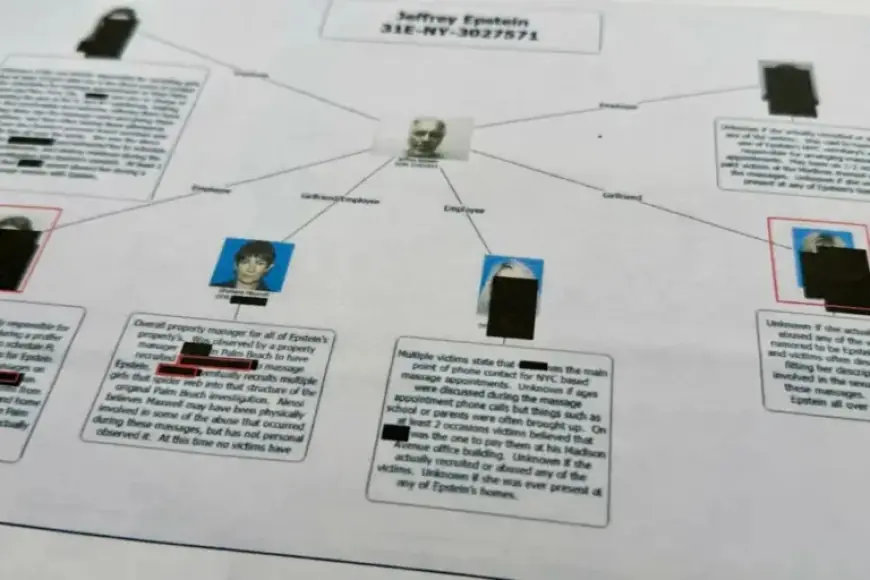
The recent release of documents by the U.S. Justice Department related to Jeffrey Epstein has raised significant concerns regarding privacy breaches. The files inadvertently exposed nude photographs, names of sexual abuse victims, and sensitive personal information, including social security numbers.
Overview of the Epstein Files Release
According to a law signed by President Donald Trump on November 19, the Justice Department was mandated to make its investigative files on Epstein available to the public. This law aimed to protect the privacy of Epstein’s victims by requiring redactions of their identities. However, the execution of this task has been marred by numerous oversights.
Failure in Redaction Efforts
- Several documents contained unredacted names and details of victims, some of whom had not publicly identified themselves.
- Images intended to hide victims’ identities still displayed nudity, with some women’s faces visible, leading to public outcry.
- A review demonstrated that many instances of incorrect redaction were prevalent throughout the files.
Brittany Henderson, a lawyer representing some victims, criticized the Justice Department’s handling of the redaction process. She indicated that the ongoing mishandling of sensitive information caused “permanent and irreparable” harm to the victims.
Public Backlash and Legal Actions
Annie Farmer, a known victim of Epstein, expressed her frustration over the inappropriate disclosure of her personal details. She stated, “The fact that it’s been done in such a beyond careless way… is really horrifying.”
After complaints and a scheduled hearing, the Justice Department committed to correcting these errors by re-examining the documents to ensure proper redactions. However, the lack of timely action raises questions about their commitment to victim protection.
The Significance of the Epstein Files
This release represents the most extensive document disclosure in the years-long investigations surrounding Epstein, who was found dead in a New York jail in 2019. With the filing deadline missed and the review process rushed, the quality of the redaction efforts has suffered dramatically.
Examples of Incomplete or Overzealous Redactions
Reports indicated that many documents featured either excessive redactions unrelated to victim information or left critical personal details exposed. For instance:
- Names and information of several victims were released without redactions.
- A photo showing an underage girl among Epstein’s alleged victims was included, breaching privacy protocols.
- Some images were poorly redacted, with identifiable features remaining visible, creating additional distress.
The Justice Department claimed that its efforts were hampered by technical and human errors, as staff diverted from their primary duties to comply with the law’s requirements. As this situation continues to unfold, the calls for stronger safeguards against such breaches remain urgent.
The ongoing review of these documents is crucial not only for the integrity of the investigation into Epstein but also for protecting the rights of the victims involved. The fallout from mishandling sensitive information may lead to significant legal and social implications for those responsible.