






















Lonzo Ball traded to Jazz, expected to hit free agency after three-team deal

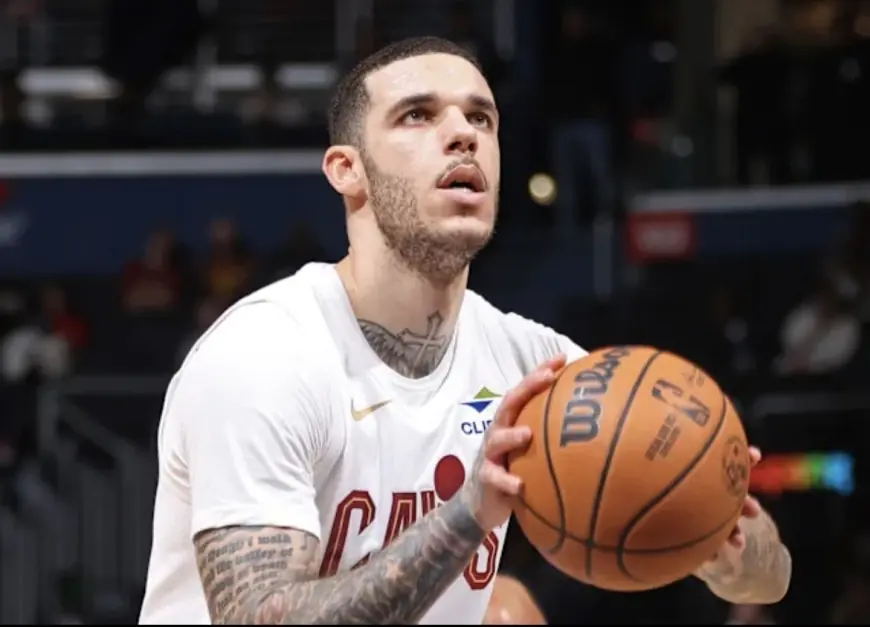
Lonzo Ball changed teams again Wednesday, February 4, 2026 (ET), moving from Cleveland to Utah in a three-team transaction that also involved Atlanta. The headline twist: Utah is expected to waive Ball after the deal is finalized, which would make the veteran guard an unrestricted free agent once he clears waivers.
The move turns Ball’s situation from “where does he fit” to “who wants him now,” right as the trade market heats up ahead of the NBA deadline.
What the trade does, in plain terms
Cleveland sent Ball to Utah along with draft compensation. Utah’s role in the deal appears to be primarily about acquiring the draft assets rather than keeping Ball long-term, with a waiver expected soon after completion.
Atlanta’s portion of the transaction centers on big-man movement, with center Jock Landale involved as part of the multi-team shuffle.
Because this is a three-team structure, the simplest way to think about it is:
-
Cleveland clears roster and salary space and recoups assets flexibility.
-
Utah takes in draft value and treats Ball as a short-term placeholder.
-
Atlanta adjusts its frontcourt depth through the same transaction.
Why Cleveland moved on from Ball
Ball became increasingly expendable for Cleveland after the club added guard depth in recent moves, leaving fewer minutes and a narrower role available. For a contender or near-contender, that logjam matters: carrying another guard with a limited on-court niche can become a luxury, especially if the team is also watching the tax line and future payroll.
This season, Ball’s numbers have been modest—4.6 points, 4.0 rebounds, and 3.9 assists per game—and he’s been more of a situational contributor than a nightly engine. The combination of reduced role, roster fit, and financial flexibility helps explain why Cleveland was willing to attach draft compensation to move him now.
Utah’s next step: waiver and free agency
If Utah waives Ball as expected, he’ll enter a very specific type of market: the post-waiver free-agent sweep, where teams look for short-term upgrades without giving up players or picks.
A waiver outcome also creates an important limitation: if he’s waived, he would not be eligible to sign back with Cleveland for the remainder of the season (assuming standard in-season reacquisition restrictions apply). That pushes interested teams elsewhere to evaluate whether Ball can help right away.
The immediate questions teams will weigh:
-
How close is Ball to being able to handle a steady rotation workload?
-
Does he still defend at the level that once made him so valuable?
-
Can he reliably space the floor enough to stay on the court in playoff-style lineups?
What kind of team would pursue Lonzo Ball
Ball’s best fit has always been clear when he’s healthy: a team that already has primary shot creation, and needs a connector who can defend, move the ball, and keep an offense organized without dominating touches.
If a contender believes it can get:
-
perimeter defense,
-
quick decision-making,
-
plus transition passing,
then even a lower-usage version of Ball can be attractive—especially on a rest-of-season deal.
The risk is just as obvious: Ball’s recent career has been shaped by significant knee issues, and teams will be cautious about counting on him for heavy minutes. That caution tends to produce “prove-it” contracts and carefully managed roles.
How this affects the Bulls narrative around Lonzo
Even though this trade is between Cleveland and Utah (with Atlanta involved), “Lonzo” searches often pull Chicago into the conversation because his Bulls tenure defined the peak of his two-way reputation. This latest move reinforces how quickly the league can pivot: a player can go from core starter to roster flexibility piece depending on health, timeline, and team needs.
For Chicago fans, the practical takeaway is less about a direct Bulls transaction and more about the wider guard market. Once Ball becomes available, it can nudge other teams to adjust their plans—either by waiting for the waiver market or by rerouting trade talks for similar archetypes.
What to watch in the next 48 hours
The timeline now hinges on process steps rather than speculation:
-
When the trade is officially completed (often a matter of paperwork and league approval).
-
When Utah places Ball on waivers.
-
Whether a team claims him on waivers (less common for notable veterans) or waits to sign him after he clears.
If he clears, the decision shifts fully to Ball: picking the best basketball fit, the best role clarity, and the best chance to stay healthy through April and beyond.
Sources consulted: NBA.com; Reuters; Sportsnet; ESPN