Kaitlan Collins drawn into Oval Office clash as Epstein files return to headlines

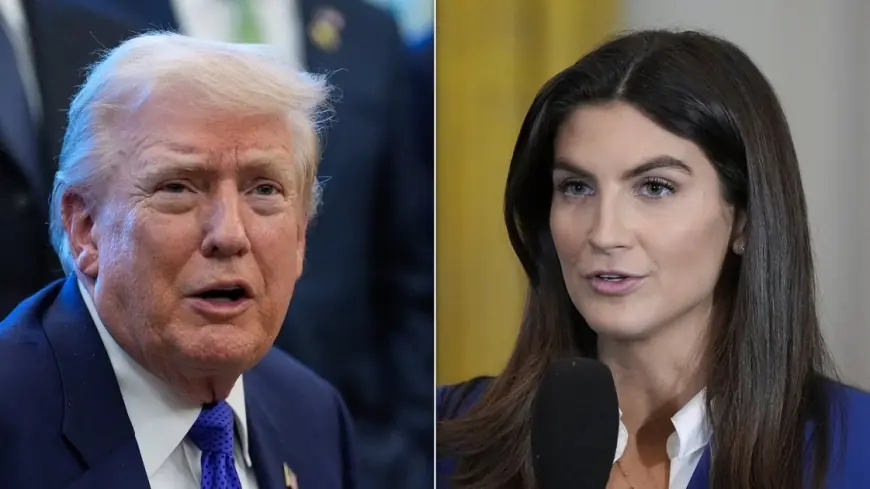
Kaitlan Collins became a central figure in the week’s political-news cycle after a tense Oval Office exchange in which President Donald Trump criticized her demeanor and dismissed her questions about survivors connected to Jeffrey Epstein. The moment ricocheted beyond Washington because it blended a high-stakes topic — the handling of Epstein-related records — with a very personal line of attack aimed at the journalist asking about it.
The Oval Office exchange
On Tuesday, February 3, 2026, Collins pressed Trump during an Oval Office appearance about the heavily redacted Epstein-related materials that were recently released and the reaction from survivors who say they still lack clarity and justice. Trump cut her off, called her “the worst reporter,” and mocked her for not smiling, turning the exchange into a confrontation over tone as much as substance.
The scene unfolded in front of other reporters and officials, and it quickly became a flashpoint because it echoed a familiar dynamic in modern press briefings: questions about government transparency met with an attack on the questioner’s credibility and demeanor.
Why the Epstein files question mattered
The substance of Collins’ questions centered on what survivors and advocates have been asking since the latest tranche of Epstein-related materials surfaced: what is being disclosed, what remains withheld, and why. The public controversy has focused less on whether documents exist — they do — and more on the extent of redactions and the pace and logic of releases.
In the Oval Office exchange, Trump argued that the country should “move on” and suggested that the disclosures have already gone too far for some victims, framing the issue as both settled and potentially harmful. Collins’ line of questioning, by contrast, reflected the opposite concern: that survivors feel shortchanged by limited transparency and incomplete accountability.
That tension — privacy, trauma, and public disclosure on one side; demands for clarity and justice on the other — is why even small shifts in what gets released can trigger outsized reactions.
Collins’ response to the “smile” remark
Collins pushed back in the moment, signaling that her tone matched the seriousness of the subject. The “not smiling” jab landed sharply because it implied that a journalist’s facial expression, rather than the facts of the question, should set the terms of the exchange — a critique that can resonate differently depending on who is delivering it and who is receiving it.
In the aftermath, Collins revisited the incident on her nightly program and framed her approach as straightforward: when the topic involves abuse survivors and unresolved questions, levity is misplaced. The response helped shift attention back to the underlying issue — what the government will or won’t disclose — even as the viral clip kept the spotlight on the personal exchange.
The broader pattern in press politics
The episode is being read in two ways at once. For critics of Trump, it reinforces claims that he uses ridicule to deter persistent questioning and to redirect public attention from uncomfortable topics. For Trump allies, the exchange is often framed as a fight with hostile media rather than a dispute over transparency.
What makes this moment stick is that it compresses several trends into one clip:
-
A charged subject with real-world victims and unresolved public questions
-
A presidency that treats combative exchanges as part of political theater
-
A media environment where short video moments become the story
-
A debate over whether personal attacks are meant to chill follow-up reporting
The net effect is that viewers who might not track the details of the Epstein records still absorb the headline conflict — and that can reshape public perception of both the administration and the press.
What to watch next
Whether this blows over or deepens depends on what happens with the Epstein-related material in the coming weeks. If additional releases appear with heavy redactions, questions like Collins’ will only intensify. If officials expand disclosure or offer clearer explanations for withholding information, the story may shift from confrontation to process and oversight.
On the media side, Collins’ standing is likely to rise among audiences who see persistence as the point of political reporting — and to harden among those who view her as a symbol of adversarial coverage. Either way, the exchange has already become a reference point in the ongoing battle over who gets to define “appropriate” questions in the White House and how those questions are answered.
Sources consulted: Reuters, The Guardian, People, Deadline