
























Iran’s Fanatics Pursue Martyrdom in Republic’s Violent Endgame

The ongoing tension between Iran and the United States has reached a critical point, as advanced military assets from America approach the region. Donald Trump has warned of severe attacks, anticipated to surpass those seen in the prior June conflicts, which included strikes on Iranian nuclear facilities and targeted assassinations of military officials.
Iran’s Response and Diplomatic Developments
In reaction to the escalating threats, Iran has expressed willingness to resume negotiations. Dialogue is set to continue between U.S. envoy Steve Witkoff and Iranian Foreign Minister Abbas Araghchi in Istanbul. However, expectations remain low regarding Iran’s acceptance of Israel’s demands for disarmament, including the abandonment of uranium enrichment and missile programs.
- Negotiation Date: Friday, in Istanbul
- Key Participants: Steve Witkoff (U.S.), Abbas Araghchi (Iran)
Consequences of Khamenei’s Stance
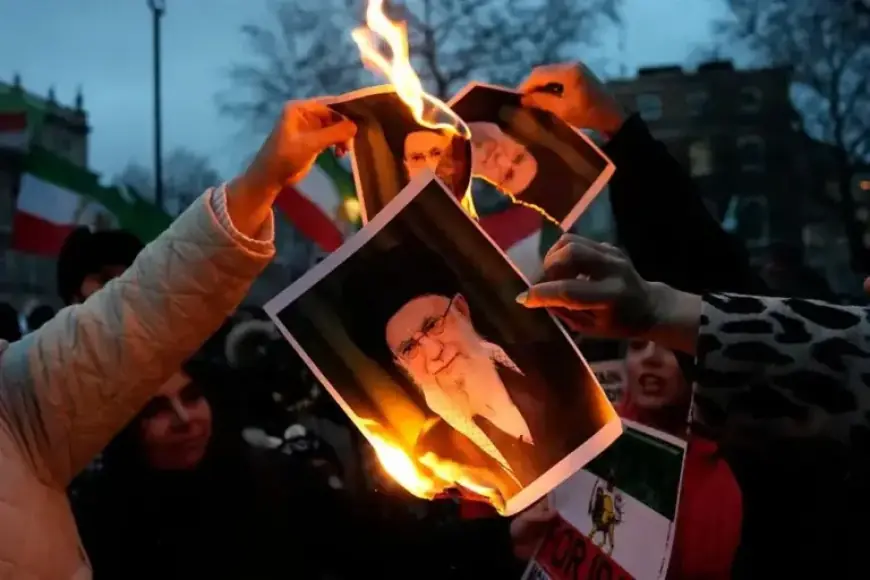
Supreme Leader Ayatollah Ali Khamenei’s rigid position has resulted in ongoing Western hostility and significant domestic turmoil. Economic mismanagement has triggered massive protests, revealing deep social discontent across Iran.
Khamenei’s recent warning suggests that American aggression might ignite a broader regional conflict, indicating potential Iranian retaliation against tankers in the Persian Gulf and Israeli civilians. Yet, assessments indicate that Iran’s military capabilities have waned, exemplified by the high casualties suffered in previous conflicts.
Casualty Statistics and Military Capability
- Iranian Fatalities: Approximately 1,200 during the last conflict
- Israeli Fatalities: 28
- American Casualties: 0
- Missiles Intercepted: 90%
- Drones Successfully Entering Israeli Territory: Few out of 500
The Unrest and Its Aftermath
Protests igniting from economic frustration have escalated sharply, especially following calls for regime change from Reza Pahlavi, the exiled son of the last Shah. This unrest has resulted in significant fatalities, with reports indicating the death toll far exceeds official government figures.
The government’s oppressive response, involving violence from the Revolutionary Guards, reflects an authoritarian grip that has intensified public dissent. This cycle of repression and discontent underscores a nation on the brink.
The Radicalized Response
A faction within Iran, largely composed of Revolutionary Guardsmen and hardliners, has adopted a militant stance influenced by their experiences in regional conflicts. These individuals cultivate a sense of martyrdom and perceive attacks on civilians as righteous responses to perceived threats from foreign adversaries.
The Future of the Islamic Republic
Speculation abounds regarding the potential collapse of the Islamic Republic amid growing unrest. However, analysts caution against simplistic comparisons, noting that the regime’s downfall may not mirror the swift demise seen in other nations.
The militarized response to dissent and the combination of religious fervor with revolutionary ideals indicate that any transition could be tumultuous. Analysts point to the possibilities of continued violence reminiscent of desperate factions in historical conflicts.
As tensions simmer and negotiations unfold in Istanbul, the situation in Iran remains precarious. The populace’s disdain for the ruling regime raises concerns about impending violence and instability.