
























BP’s Pilbara Energy Hub Secures $21 Million Government Grant

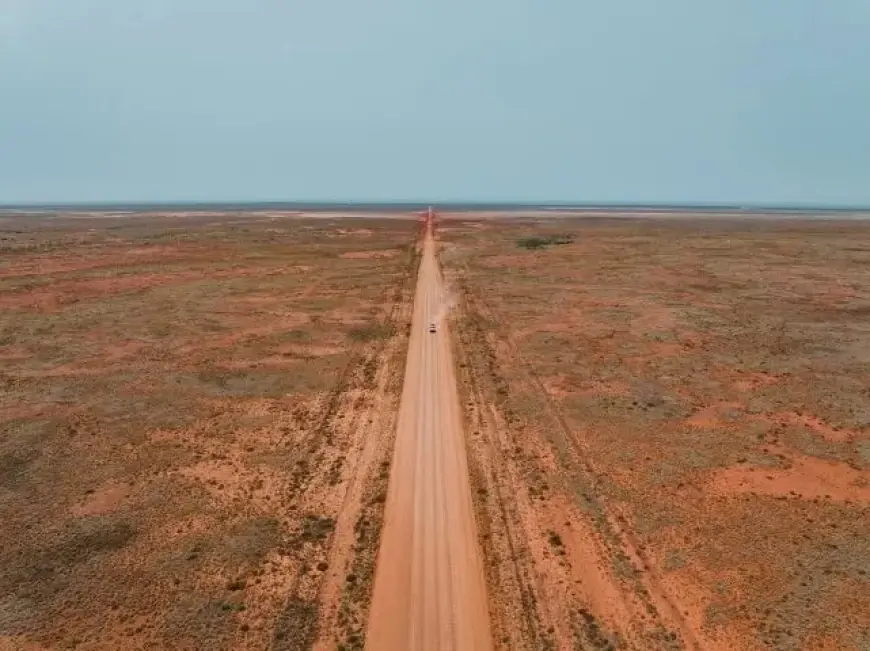
Plans for a major energy project in Western Australia’s Pilbara region have received a significant boost. The Australian Renewable Energy Hub (AREH) is set to evolve with substantial federal funding, crucial for advancing its green energy initiatives.
BP’s Exit and InterContinental Energy’s Revival
The ambitious AREH, initially backed by BP, aims to develop an energy hub with a capacity of up to 26 gigawatts. The project faced uncertainty following BP’s withdrawal in July 2022 as part of its broader strategy shift away from green energy investments. This departure withdrew BP as the controlling stakeholder from a project projected to cost around $55 billion.
Since then, InterContinental Energy has taken full ownership, reaffirming its commitment to the project. Industry experts believe the hub could generate 1.6 million tonnes of green hydrogen or 9 million tonnes of green ammonia annually at full capacity.
Government Grant to Propel Development
InterContinental Energy has now secured a $21 million grant from the Australian Renewable Energy Agency (ARENA). This funding will facilitate critical phases of technical, economic, and regulatory development for the AREH, pivotal for the region’s shift towards green iron production.
The plan includes initiating the first phase, which focuses on building 1 gigawatt of wind and solar power in Port Hedland and establishing a hydrogen production facility with a capacity of approximately 150 megawatts.
Future Plans and Environmental Considerations
Isaac Hinton, head of InterContinental Energy Australia, expressed optimism regarding the ARENA grant, highlighting the project’s well-proven environmental approvals. He noted that extensive planning has been done, including securing an Indigenous Land Use Agreement and options to lease Crown land.
- Final investment decision anticipated by 2028.
- First power expected to be generated by 2030.
- Focus on studies related to hydrogen production at Boodarie, near Port Hedland.
InterContinental Energy aims to refine engineering details and solidify partnerships necessary for a project of this scale. Hinton remarked that, while the project involves a $21 million government grant, private investment will be essential for its long-term sustainability.
Strategic Vision and Investment Opportunities
InterContinental Energy envisions the AREH as not merely a single project but as a series of up to 20 smaller projects over two decades. This diversified approach allows for adaptive strategies in the evolving energy landscape.
The company is open to attracting new investors to support ongoing development, recognizing the necessity of both government and private funding in addressing cost-related challenges in the hydrogen sector.
With the Australian government’s backing, the AREH is poised to play a transformative role in renewable energy production, setting a precedent for future projects in the region.