

























La Araucanía Boosts Agri-Food Industry with CGNA’s Tech Transfer Program

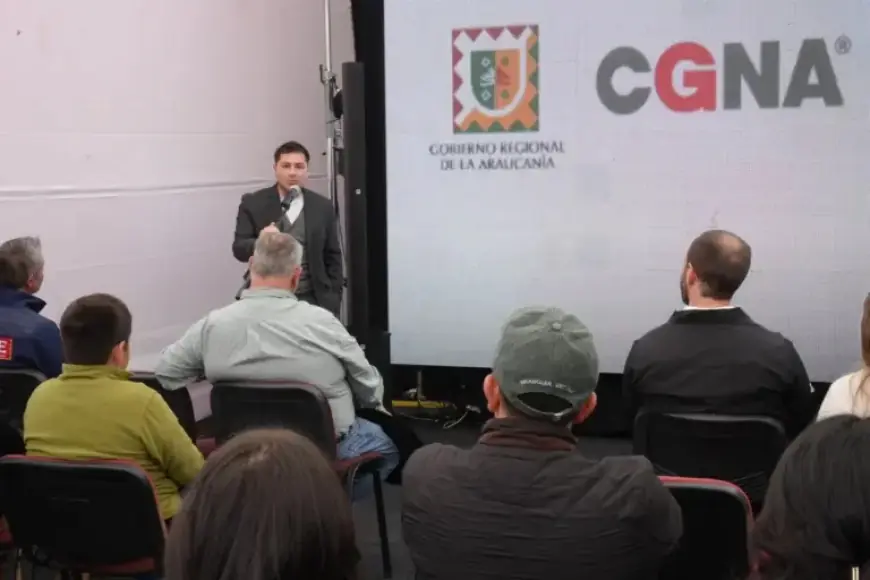
La Araucanía is taking bold steps to enhance its agri-food industry. The regional government has launched a strategic initiative named the “Araucanía Agroalimentaria” program. This endeavor represents a significant investment of $1.3 billion aimed at fostering innovation, technology transfer, and sustainable production of plant-based proteins.
Araucanía Agroalimentaria Program Details
Launched through regional financing, the program will last for two years. The initiative is spearheaded by the Centro de Genómica Nutricional Agroacuícola (CGNA). It targets vital improvements in the regional food industry by harnessing technology and knowledge transfer.
Focus Areas of the Initiative
- Development of sustainable plant-based protein.
- Innovation in value-added food products.
Governor René Saffirio emphasized the program’s strategic significance. He described it as a landmark for the productive development of La Araucanía. “This program brings science and innovation to the forefront, promoting sustainable and resilient agriculture,” he noted.
Strengthening the Agro-Food Ecosystem
The initiative aims to connect farmers with industry players, creating new job opportunities and diversifying production. It aspires to foster a modern agro-industry that values its territorial identity.
Regional councilor Eduardo Hernández praised the CGNA’s efforts. He highlighted the role of scientific research in enhancing plant protein production and creating high-value products with both national and international potential.
Scientific Innovations Leading the Way
The CGNA focuses on various advanced research areas. These include genomics, microbiomes, and plant physiology, particularly regarding legumes adapted to environmental stress.
Innovative bacterial consortia are being utilized to protect crops from droughts and heat waves. This strategy not only reduces water and carbon footprints but also boosts agricultural productivity.
Technological Transfers and Support for Local Producers
According to CGNA director Haroldo Salvo-Garrido, the program includes sequencing the genome of yellow lupin. This effort seeks to improve its immunity, nutritional quality, and grain size. Additionally, researchers are developing a new variety of broad bean with high protein content, free from harmful compounds.
The program also explores the natural compound L-DOPA, which has potential health benefits.
| Program Highlights | Details |
|---|---|
| Total Investment | $1.3 billion |
| Duration | 2 years |
| Producers Involved | 250 producers and 50 agricultural professionals |
| Companies Supported | 24 companies and startups |
Entrepreneur Ramón Yáñez from Overnight Chile has recognized the program’s positive impact. He stated that innovative foods based on lupin, enriched with vitamins, nuts, and seeds, have been developed. The initiative includes technical training, specialized seminars, and productive pilot programs, which strengthen local innovation and industry connections.
With this forward-thinking initiative, La Araucanía is set to establish itself as a key player in sustainable agro-food production in southern Chile, driven by scientific knowledge and technological innovation.