

























US Blocks Indian Entrepreneurs from Business Loans: New Rules Explained

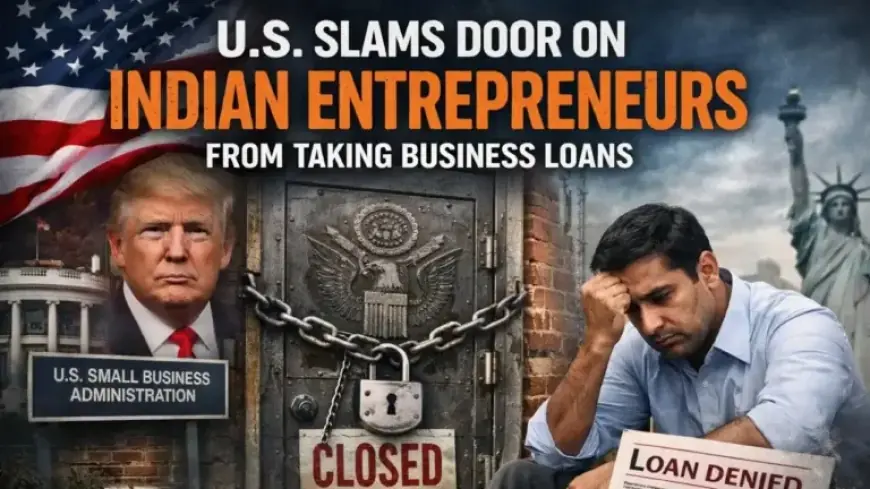
The recent changes in lending regulations have raised concerns among lenders and development finance institutions. The U.S. government has implemented new rules that affect Indian entrepreneurs seeking business loans. These changes primarily target Limited Partnership (LPR) ownership, which represents a significant portion of small business loans.
Impact of New Regulations on Indian Entrepreneurs
Frank Gallegos, executive director of the Cen Cal Business Finance Group, highlighted the potential repercussions of the new guidelines. He noted that approximately 10% of his organization’s Small Business Administration (SBA)-backed loans involve LPR ownership. This shift poses a challenge for many entrepreneurs, as they will need to make substantial adjustments to comply.
Key Challenges Faced
- Restructuring ownership to meet new compliance requirements.
- Potentially selling stakes to U.S. citizens to secure financing.
- Possibly abandoning SBA financing altogether, which could limit growth opportunities.
These changes could significantly alter the landscape for Indian entrepreneurs in the U.S. market. As lenders adjust to the new rules, they and their clients will face the complexities of ownership, investment, and financing options.
The implications of these new regulations extend beyond immediate financing. They represent an evolving regulatory framework that could reshape the participation of foreign entrepreneurs in the U.S. economy. The reaction from the financial sector underscores the necessity for clear guidelines and support for small business owners navigating these changes.
Overall, the new rules indicate a shift in how business loans are managed, particularly for Indian entrepreneurs. As the lending landscape evolves, it is crucial for those affected to remain informed and adaptable.